

Overview
Swimming is an essential skill that enhances personal safety, promotes health, and fosters social connections. Regardless of age, learning to swim opens up a world of opportunities, from recreational activities to competitive sports. By embracing swimming lessons, individuals can build confidence, improve fitness, and enjoy a lifelong journey in and around the water.
Table of Contents
Key Takeaways
- Safety First: Learning to swim significantly reduces the risk of drowning, especially in children.
- Health Benefits: Swimming is a low-impact aerobic exercise that enhances cardiovascular health, strength, and flexibility.
- Confidence Building: Mastering swimming techniques boosts self-confidence and encourages individuals to tackle new challenges.
- All Ages Welcome: Swimming lessons are beneficial for everyone, from toddlers to seniors, promoting a love for water and safety skills.
- Regular Practice: Consistent swimming practice is essential for maintaining and improving swimming skills over time.
- Goal Setting: Establishing achievable swimming goals can motivate individuals and enhance their swimming experience.
- Community Engagement: Swimming fosters social interactions through clubs, teams, and community events, enriching the overall experience.
Swimming is more than just a recreational activity; it's a vital skill that can improve both quality of life and personal safety. The ability to swim provides an enjoyable way to exercise, enhances social interactions, and can even save lives. In this article, we'll explore the importance of swimming lessons, the journey of learning to swim at any age, and how to master lifelong swimming skills that can be enjoyed throughout your life.
The Importance of Swimming Lessons
Swimming is a critical life skill that benefits people of all ages. Engaging in swimming lessons offers a plethora of advantages that extend beyond the water. Here are some key reasons why learning to swim is essential:
- Safety: Knowing how to swim drastically reduces the risk of drowning, which is a leading cause of accidental death worldwide, particularly in children.
- Health Benefits: Swimming is an excellent form of aerobic exercise that promotes cardiovascular health, builds strength, and increases flexibility.
- Confidence Building: Mastering swimming techniques instills confidence in individuals, encouraging them to take on new challenges both in and out of the water.
- Social Opportunities: Swimming creates opportunities for interaction whether it's through swim teams, clubs, or community events.
Learning to Swim at Any Age
It's a common misconception that swimming is a skill best learned in childhood. The truth is that people can learn to swim at any age—from toddlers to seniors. Here’s how different age groups can benefit from swimming lessons:
Children
Starting swimming lessons early not only teaches kids a vital survival skill but also helps them develop a love for water. Programs tailored for youngsters often use games and play to build confidence and technique, setting a foundation for lifelong swimming skills. Parents should consider enrolling their children in lessons as soon as they are developmentally ready, usually starting around the age of three or four.
Teenagers
For teenagers, swimming lessons can serve as a great means to bond with peers while also keeping fit. It's an ideal time for kids to refine their skills and even prepare for competitive swimming. Lessons that focus on different strokes and techniques can assist young swimmers in advancing their abilities and confidence in the water.
Adults
Adults can also greatly benefit from learning or enhancing their swimming skills. Whether you are a complete beginner or looking to improve technique, swimming lessons can cater to your needs. The ability to swim opens doors to various water activities, like kayaking, paddleboarding, or simply enjoying a day at the beach confidently.
Seniors
For seniors, swimming can be a low-impact activity that helps maintain mobility and overall health. Lessons can help older adults learn how to be safe in the water while also enjoying the therapeutic benefits that swimming provides. This age group is often encouraged to learn practical swim skills that can keep them safe during recreational activities.
Building Lifelong Swimming Skills
Once individuals have learned the basics of swimming, the focus shifts to honing those skills and ensuring they can swim comfortably for years to come. Here are some tips to help build and maintain lifelong swimming skills:
Regular Practice
Like any skill, swimming requires practice. Regularly scheduling time to swim helps reinforce techniques learned in lessons and keeps your skills sharp. Consider joining a local swim club or participating in community swim events to stay engaged and motivated.
Diverse Swim Workouts
Incorporate a variety of workouts into your swimming routine. Swim different strokes to develop overall strength and improve your cardiovascular fitness. Techniques such as interval training can significantly increase endurance and speed, making swimming both fun and effective.
Swim with Others
Swimming with friends or family creates a supportive environment that encourages growth and improvement. Join swimming groups or find a workout buddy to keep you accountable and motivated in your swimming journey.
Set Goals
Setting achievable swimming goals can provide you with a sense of direction and purpose. Whether it’s mastering a new stroke or improving your lap time, establishing short-term and long-term goals can fuel your passion for swimming. Celebrate your achievements along the way to maintain enthusiasm.
Embracing the Water: The Lifelong Journey
The journey of learning to swim is an empowering experience filled with progressions and milestones. By choosing to embrace swimming, you unlock a world of opportunities. Swimming is not only a formidable skill but also a gateway to adventure, relaxation, and community engagement. Whether you dive into the water for exercise, competition, or leisure, the benefits are timeless.
For parents considering swimming lessons for their children, adults wishing to invest in their health, or seniors wanting to maintain an active lifestyle, the key takeaway is clear: swimming is a lifelong skill worth nurturing. It fosters a love for the water and enhances a person's ability to engage in various activities safely. Make the splash today and start mastering those lifelong swimming skills!
Frequently Asked Questions
1. Why are swimming lessons important?
2. Is it too late to learn to swim?
3. What age is best to start swimming lessons for children?
4. How can adults benefit from swimming lessons?
5. What are some tips for maintaining lifelong swimming skills?
Glossary
| Term | Meaning |
|---|---|
| Swimming Lessons | Structured instruction to teach individuals how to swim safely and effectively. |
| Drowning | A leading cause of accidental death, particularly among children, often preventable through swimming skills. |
| Aerobic Exercise | Physical activity that improves cardiovascular health and endurance, such as swimming. |
| Confidence Building | Gaining self-assurance through mastering swimming techniques, applicable in various life situations. |
| Low-Impact Activity | Exercise that minimizes stress on joints, making swimming suitable for seniors and those with injuries. |
| Interval Training | A workout technique that alternates between high-intensity and low-intensity swimming to improve fitness. |
| Goal Setting | Establishing specific, achievable objectives in swimming to enhance motivation and progress. |
| Community Swim Events | Local gatherings that promote swimming for fun, fitness, and social interaction. |
| Swim Strokes | Different techniques used in swimming, such as freestyle, breaststroke, and butterfly, that enhance skill and speed. |
Linked Product

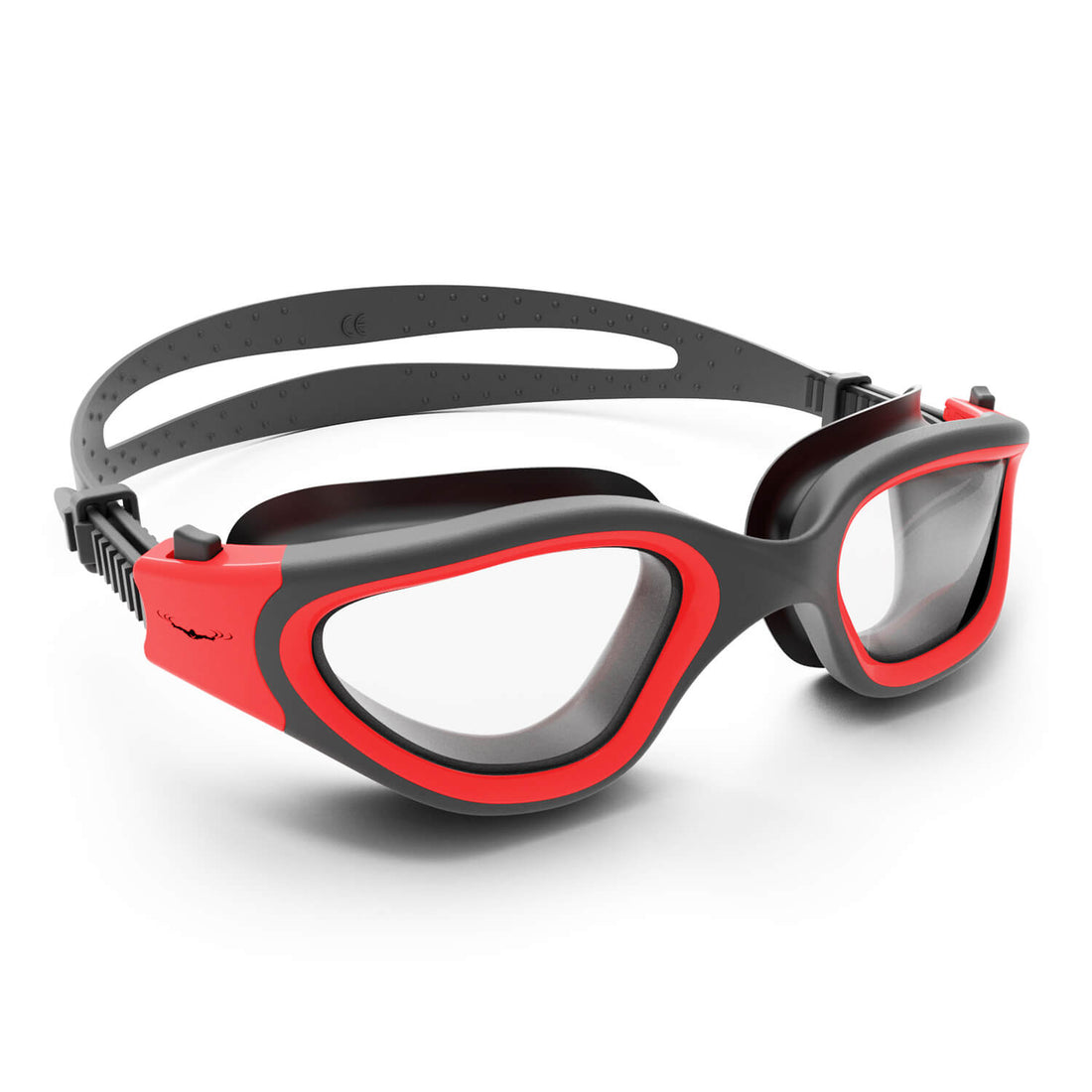
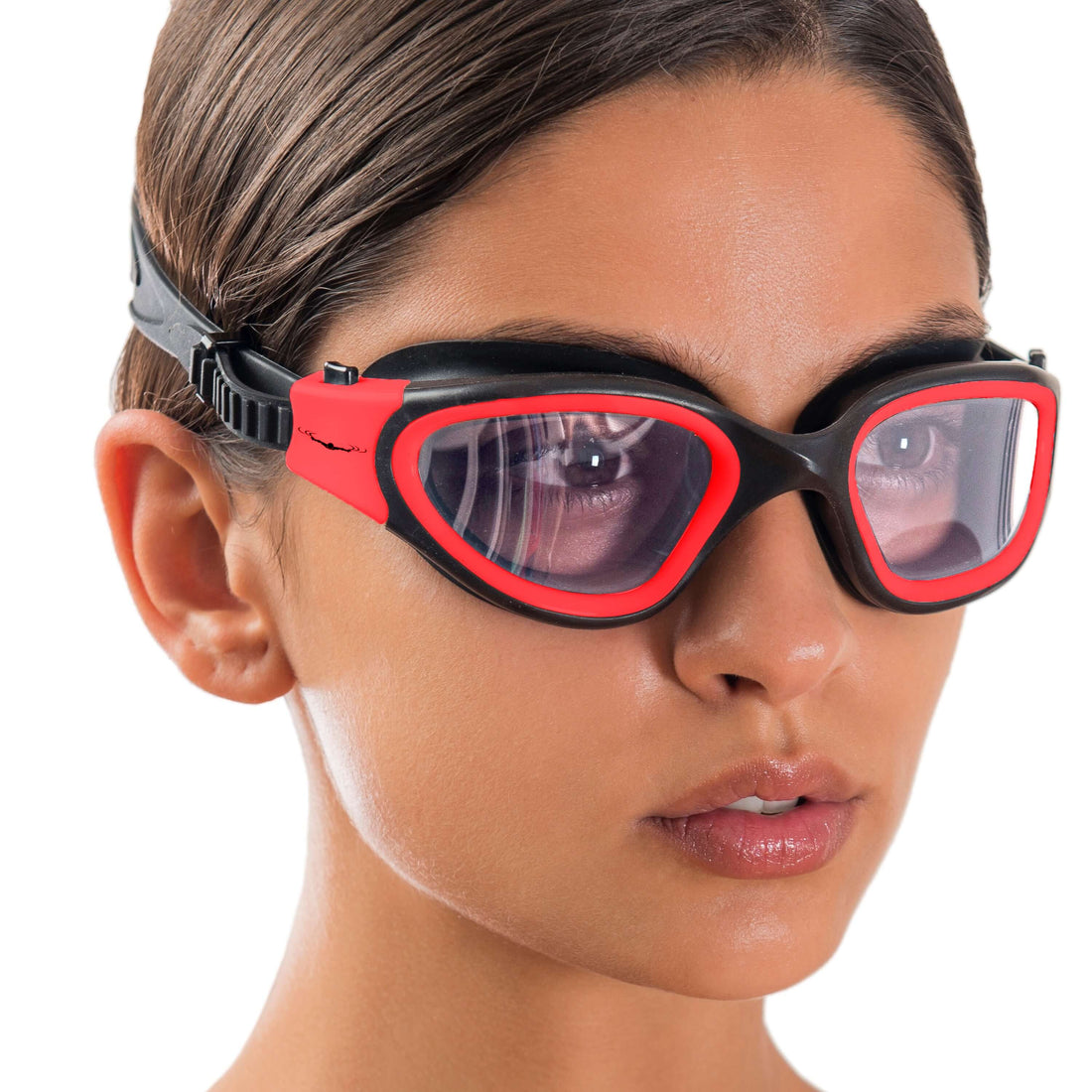
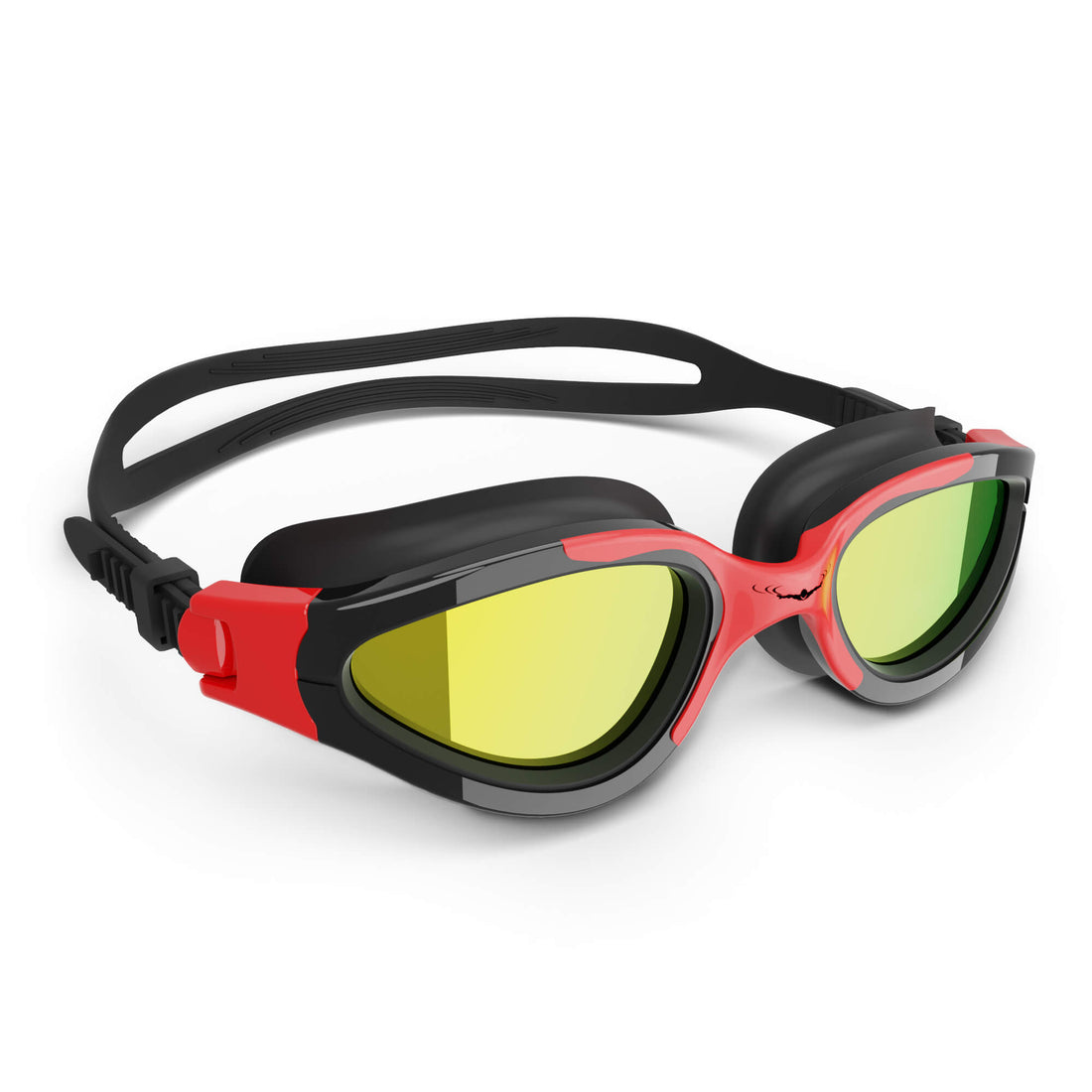
DX Wide View Swim Goggles + SHOCK Protective Case
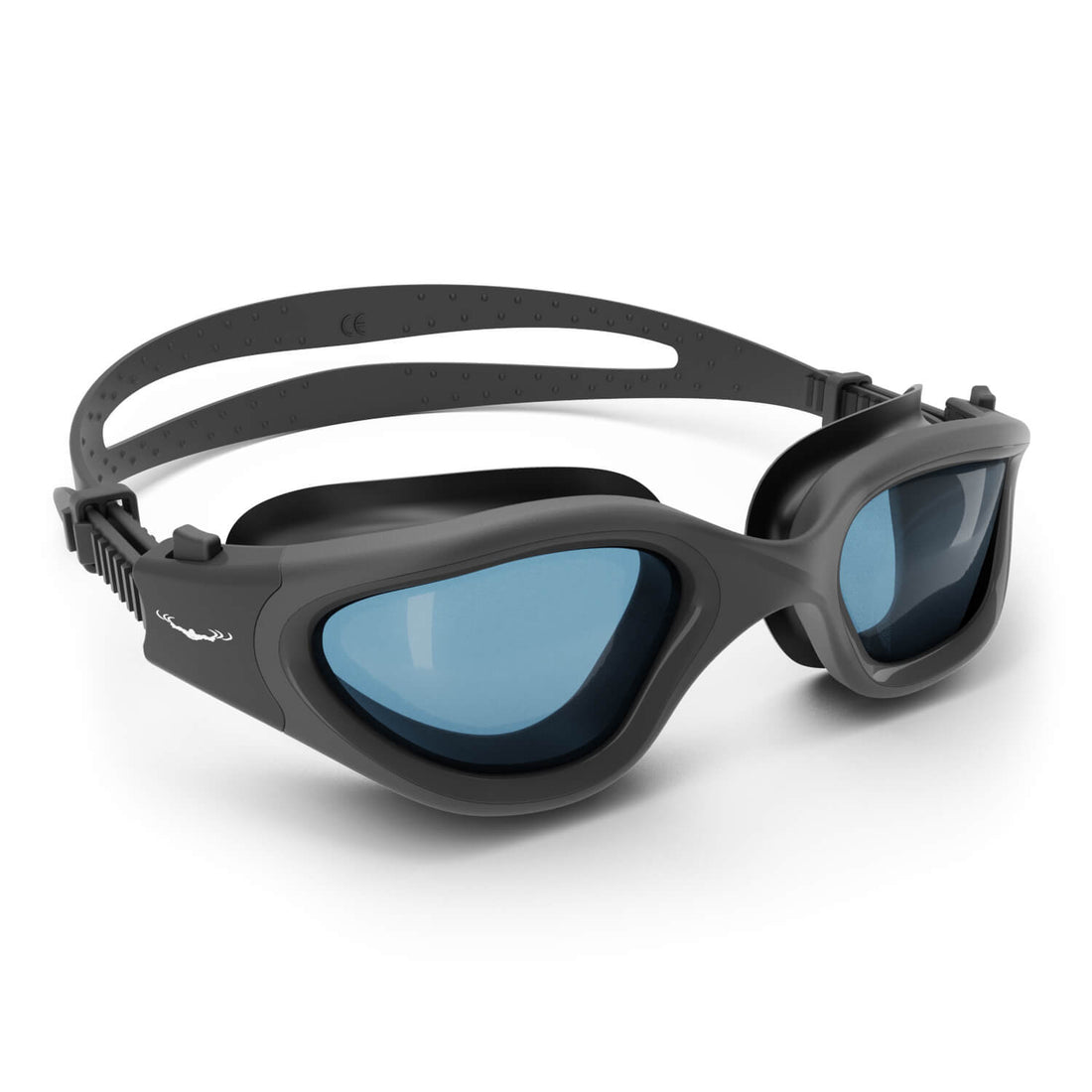
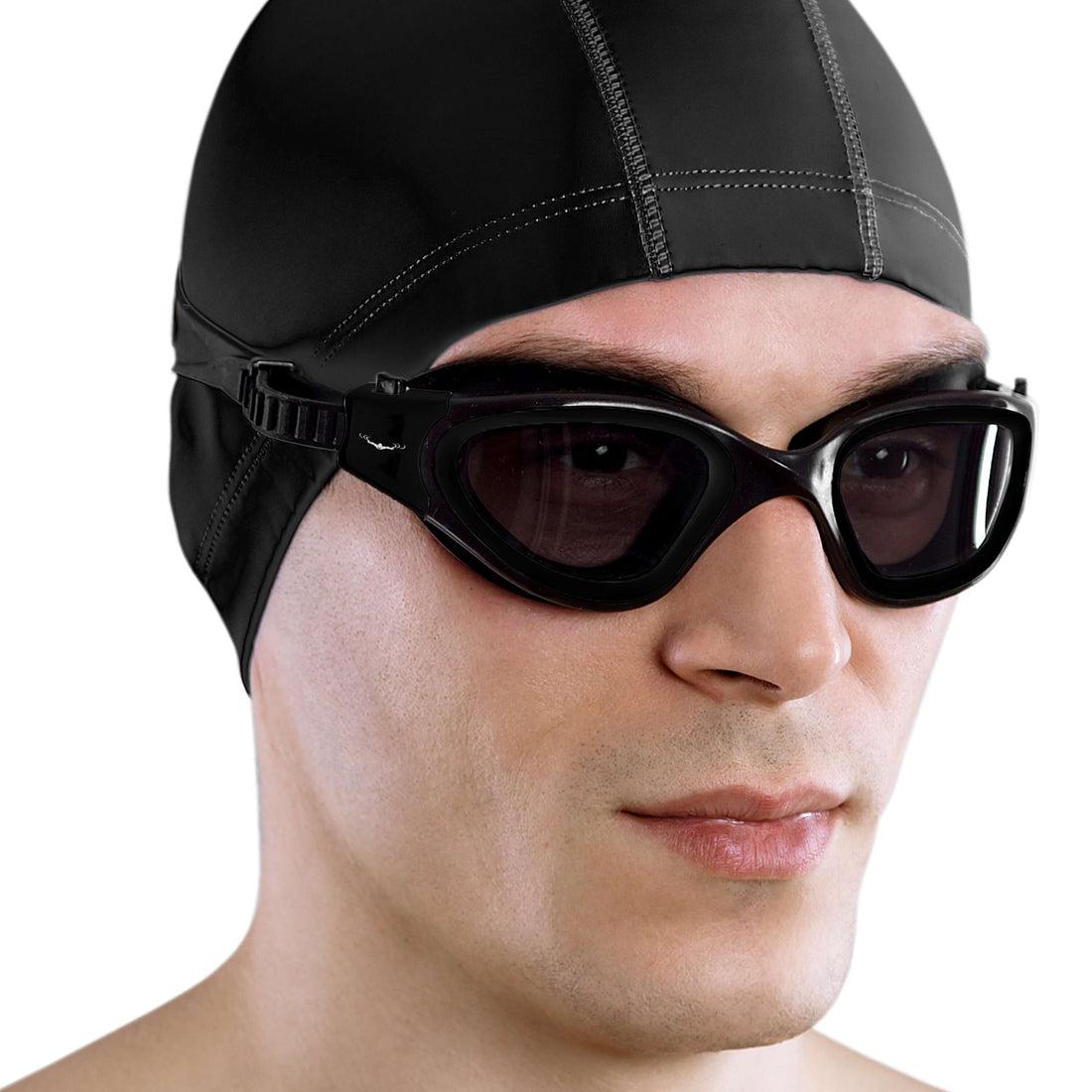
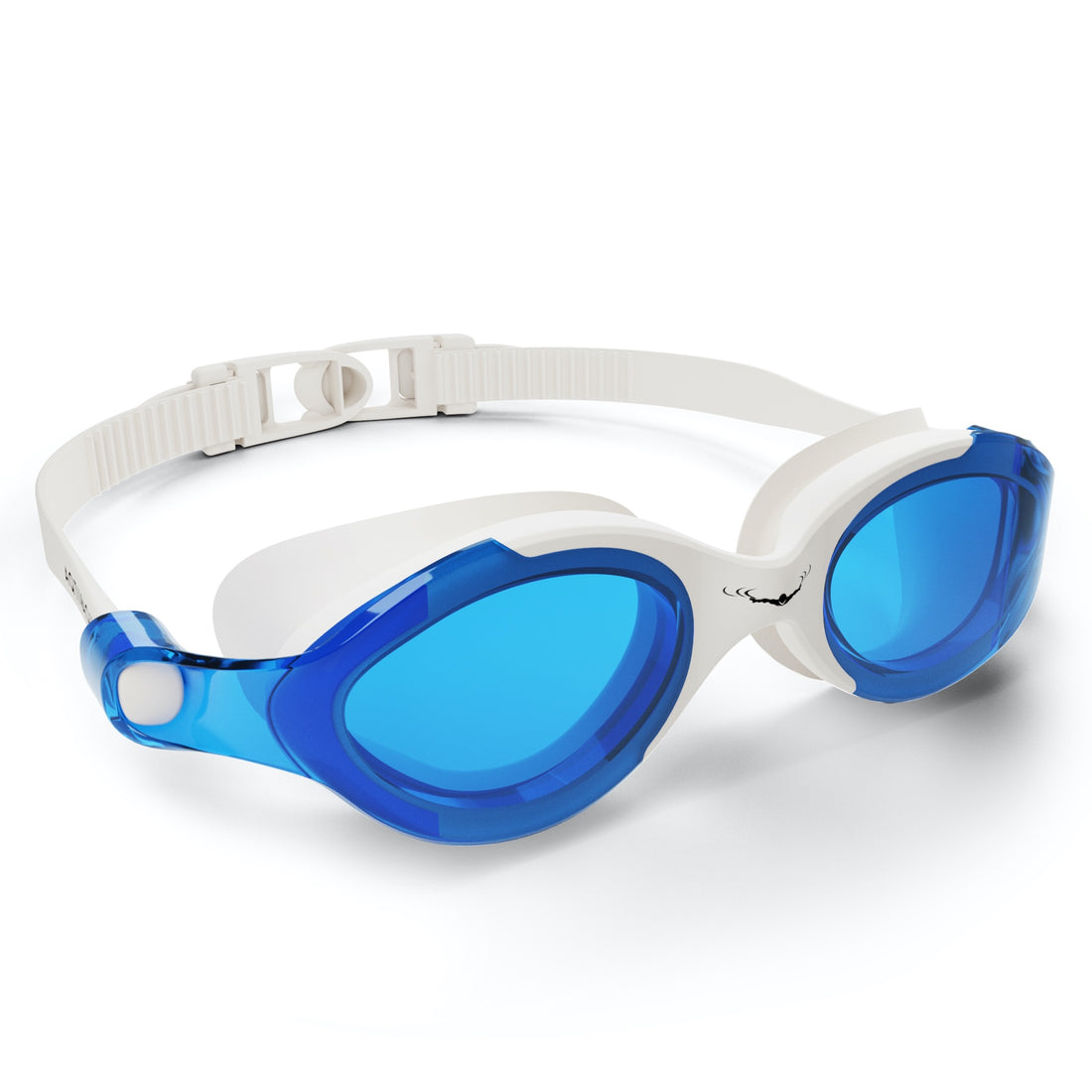
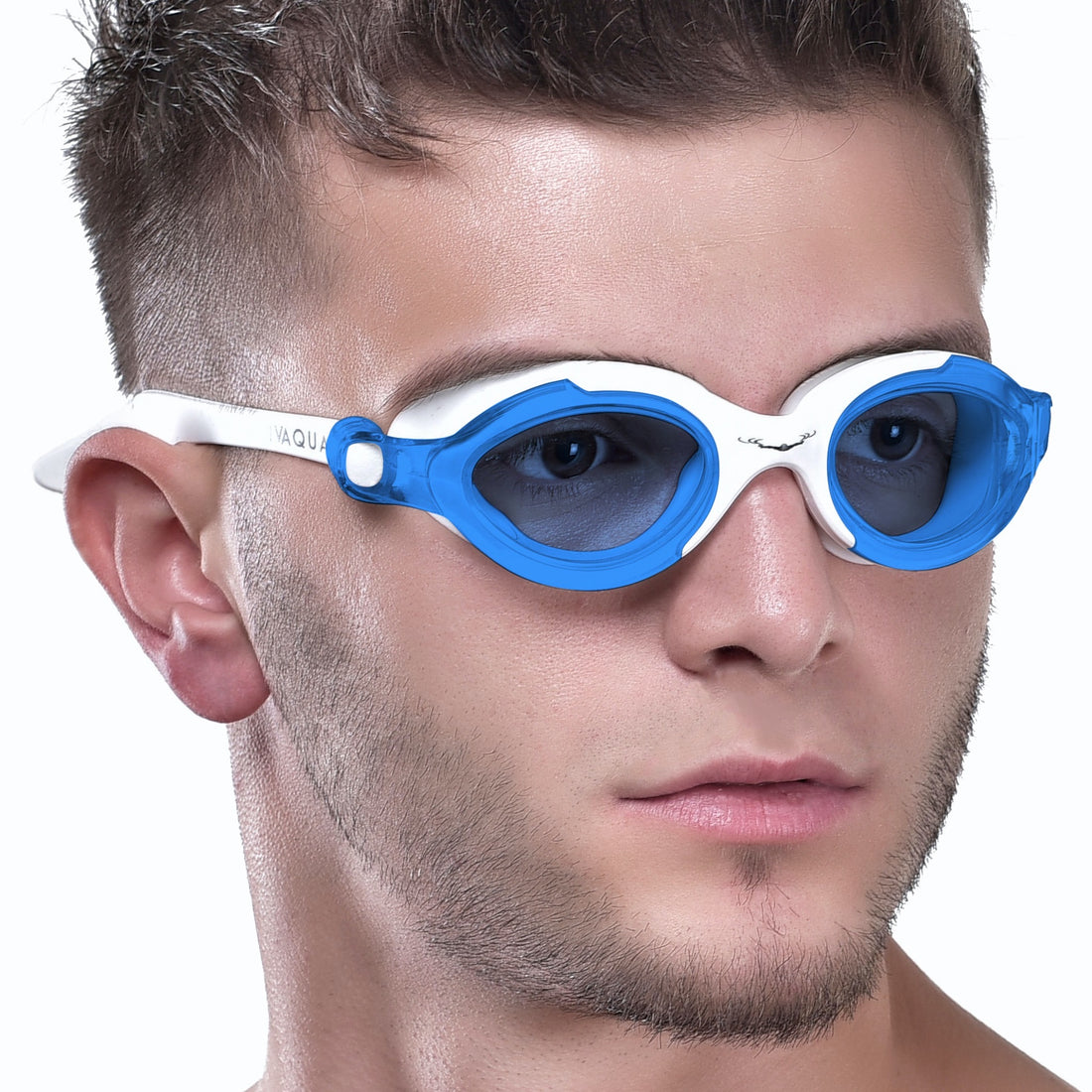
The DX Wide View Swim Goggles feature 180° polycarbonate lenses for clear visibility in various lighting conditions, ensuring your focus remains on your swim technique. Designed for comfort, the soft double-seals provide a leak-free fit, while the split Y-strap and one-click buckle allow for quick adjustments. Included with the goggles is a SHOCK protective case that ensures safe, quick-dry storage.
View Product