

Overview
This article delves into the profound psychological benefits of swimming, highlighting how this activity serves as a sanctuary for mental well-being. Readers will learn about the therapeutic effects of water, the role of exercise-induced endorphins, and the importance of social connections formed through swimming. Additionally, the piece offers practical tips for enhancing the swimming experience, ultimately encouraging a routine that promotes both physical and mental health.
Table of Contents
- Understanding the Connection Between Water and Mental Well-Being
- 1. The Therapeutic Effects of Water
- 2. Exercise-Induced Endorphins
- 3. Social Connections Through Swimming
- Swimming and Mindfulness
- 1. Developing a Routine
- 2. Enhancing Your Technique
- 3. Embracing the Sound of Water
- Physical Benefits that Lead to Mental Clarity
- 1. Improving Physical Fitness
- 2. A Low-Impact Exercise
- 3. Boosting Sleep Quality
- Creating a Comfortable Swimming Experience
- 1. Choosing the Right Gear
- 2. Utilizing Swim Ear Bands
- 3. Exploring Different Swimming Styles
- The Healing Power of Routine
- 1. Tracking Progress
- 2. Setting Goals
- 3. Creating a Community
- Delving Deeper into Mental Health Benefits
- 1. Combating Seasonal Affective Disorder (SAD)
- 2. Building Resilience
- 3. Promoting Self-Reflection
- Your Swimming Journey Awaits
Key Takeaways
- Therapeutic Effects: Swimming significantly lowers stress levels and promotes tranquility through the calming properties of water.
- Endorphin Release: The physical activity of swimming releases endorphins, which enhance mood and combat depression and anxiety.
- Social Connections: Engaging in swimming activities fosters social bonds, reducing loneliness and increasing happiness.
- Mindfulness Practice: Swimming encourages mindfulness by focusing on breath and stroke, helping to push aside daily chaos.
- Physical Fitness: Regular swimming enhances strength, endurance, and flexibility, positively impacting mental well-being.
- Improved Sleep Quality: Swimming can lead to better sleep quality, which is crucial for mental health and cognitive function.
- Community Engagement: Joining a swim club creates a sense of belonging and strengthens social networks that support mental wellness.
Swimming is not just a physical activity; it is a sanctuary for the mind and spirit. As the water envelops you, many find themselves lost in thought or, conversely, completely present in the moment. Beyond the laps you swim or the strokes you master, swimming plays a pivotal role in promoting mental health. In this article, we’ll explore the psychological benefits of swimming, along with tips on how to make the most out of your time in the water.
Understanding the Connection Between Water and Mental Well-Being
Water has a unique way of soothing the psyche. From the gentle ripples caused by a diver’s entry to the tranquil sensations that come with floating, water can provide both a therapeutic escape and a rejuvenating experience. Here’s why swimming can significantly boost mental health:
1. The Therapeutic Effects of Water
Research has shown that being in water can significantly lower stress levels. The calming properties of water can help reduce anxiety and increase feelings of tranquility. When you swim, the rhythmic nature of your movements allows for a meditative state, providing a perfect backdrop for reflection and self-discovery.
2. Exercise-Induced Endorphins
Swimming is an excellent form of cardiovascular exercise. The endorphins released during physical activity are known as the “feel-good” hormones. They elevate mood and create feelings of happiness. A brisk swim can generate a rush of these endorphins that help combat conditions like depression and anxiety.
3. Social Connections Through Swimming
Swimming can also foster social bonds. Whether it’s a community swim team, water aerobics class, or just a fun day at the pool with friends, engaging with others while enjoying a mutual activity provides an emotional lift. Social interactions, even in the aquatic environment, can reduce feelings of loneliness and increase happiness.
Swimming and Mindfulness
The act of swimming inherently promotes mindfulness. When you immerse yourself in the water, you focus on your breath, stroke, and rhythm. This focus pushes aside the chaos of daily life and allows you to be present in the moment.
1. Developing a Routine
Establishing a regular swimming schedule can help foster mindfulness. Setting specific days and times can create an anchor point for your week, allowing you to look forward to those moments of peace. By consistently returning to the pool, you develop a healthy habit that benefits both body and mind.
2. Enhancing Your Technique
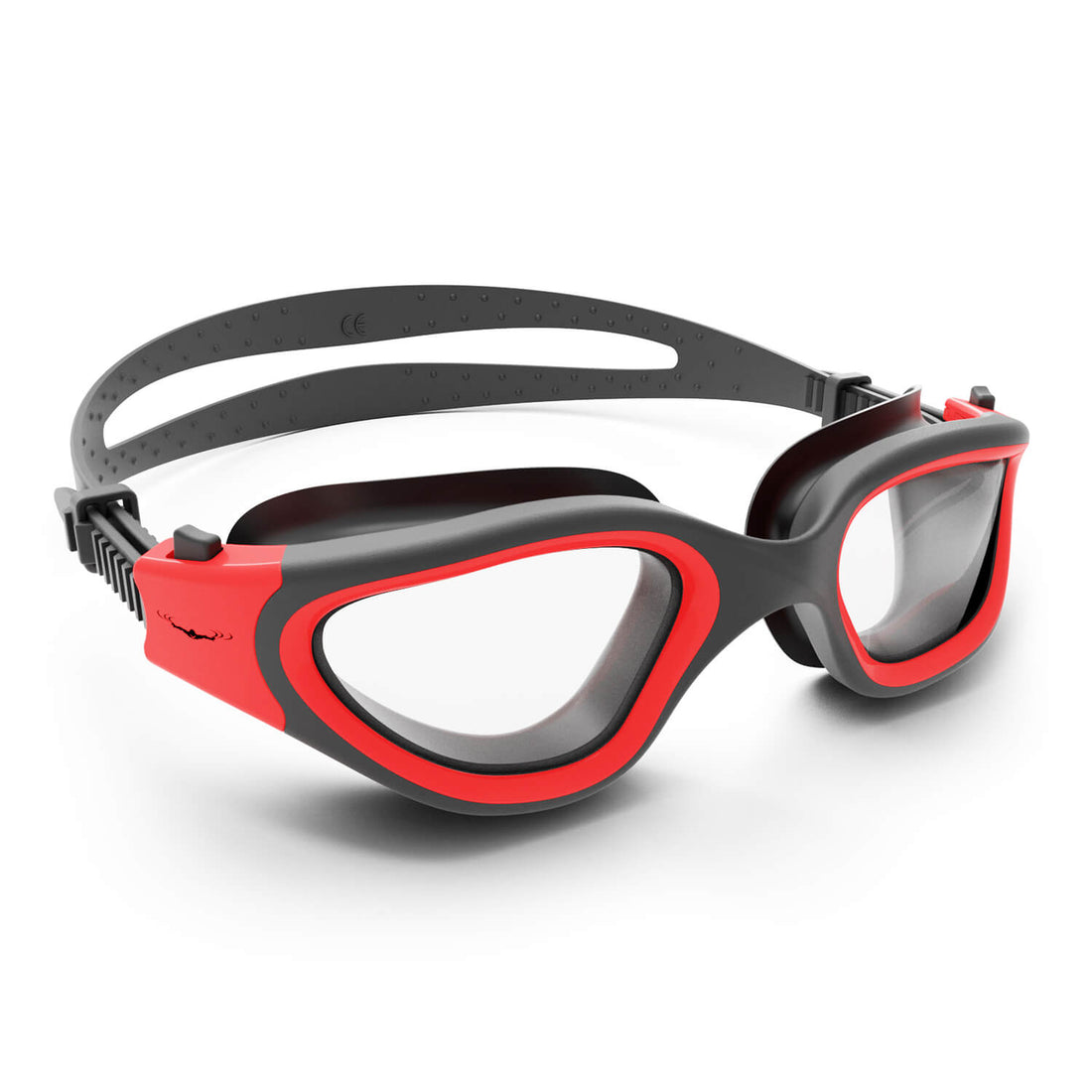
Utilizing high-quality swim goggles is essential for clarity while swimming. Clear, untinted lenses provide true-color visibility, allowing you to fully immerse yourself in your environment. With the ability to see everything, you focus solely on your stroke and breathing. Swimming with the right gear empowers you to maintain your concentration and heightens the overall experience.
3. Embracing the Sound of Water
The sound of water can be incredibly soothing. In the quiet moments underwater, many people find peace. The muffled sounds create a serene setting that promotes better focus and aids in relaxation. It’s not just about the movement; it’s about immersing yourself in an ambiance that calms the mind.
Physical Benefits that Lead to Mental Clarity
The advantages of swimming don’t only lie in psychological or emotional aspects; it also contributes significantly to physical health, which in turn influences mental well-being.
1. Improving Physical Fitness
Regular swimming can lead to enhanced physical fitness. Greater strength, endurance, and flexibility contribute positively to overall health. When you feel good physically, it directly impacts your mental state, providing a boost in confidence and self-esteem.
2. A Low-Impact Exercise
Being a low-impact sport, swimming is accessible to many people of different ages and capabilities. This inclusivity means that almost anyone can enjoy the myriad benefits that swimming brings, regardless of physical condition.
3. Boosting Sleep Quality
Exercise is known to enhance sleep quality, and swimming is no exception. A good night’s sleep significantly influences mental health and cognitive function. Offering your body the chance to repair itself after a swim can lead to better mood regulation and increased positivity during waking hours.
Creating a Comfortable Swimming Experience
To maximize the mental health benefits of swimming, your experience in the water should be both comfortable and distraction-free. Here are some ways to enhance your swim routine:
1. Choosing the Right Gear
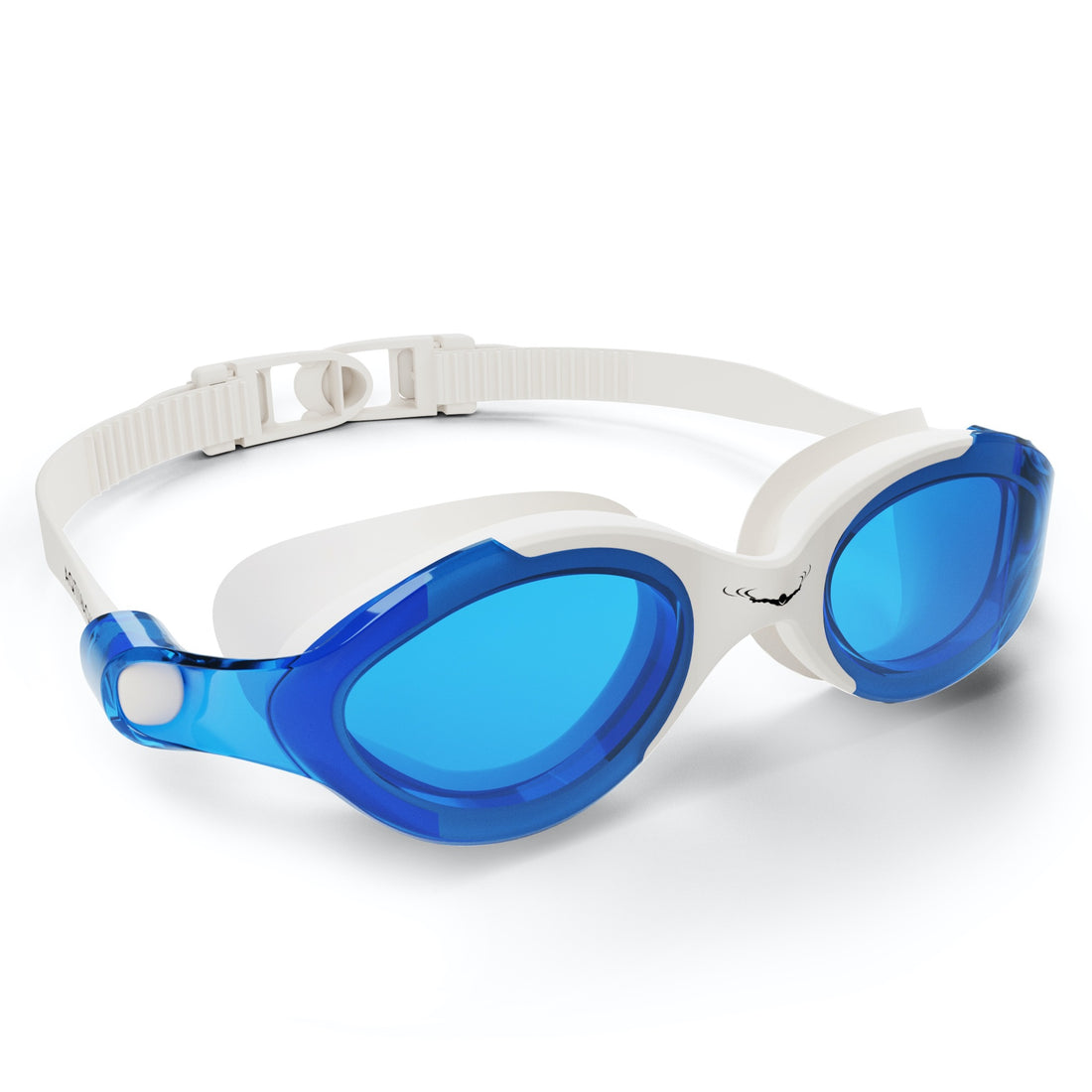
Your swimming gear can influence your experience in the pool. For instance, investing in high-quality swim goggles can make a difference in visibility and comfort. Swim goggles with advanced anti-fog technology and soft seals ensure that you can focus on your strokes and breathing technique without distractions.
2. Utilizing Swim Ear Bands
Many swimmers struggle with water getting trapped in their ears. This discomfort can distract from your lap times and overall enjoyment. Using swim ear bands can help keep water out of your ears, allowing you to focus on your technique rather than annoying distractions.
3. Exploring Different Swimming Styles
Different strokes and styles can provide varying mental benefits. Whether you prefer freestyle, breaststroke, or backstroke, exploring different techniques can enhance your experience. Each stroke offers a unique way to engage your body and mind, making your swimming sessions more varied and enjoyable.
The Healing Power of Routine
Establishing a routine that incorporates swimming can yield several mental health benefits. Here are some ways that creating a habit around swimming can enhance your life:
1. Tracking Progress
Being mindful of your swimming journey can foster a sense of accomplishment. Whether you’re striving for faster times or improved techniques, tracking your progress can improve motivation and self-worth.
2. Setting Goals
By setting personal swimming goals, whether big or small, you can provide yourself with a sense of direction. This might involve participating in local swimming events or aiming to complete certain distances without breaks. Each achievement can extend ripples of positivity into your mental health.
3. Creating a Community
Joining a local swim club or team can establish a sense of belonging. Engaging with others who share similar interests not only cultivates friendships but also strengthens social networks that are invaluable for mental wellness.
Delving Deeper into Mental Health Benefits
To truly understand why swimming is a boon for mental health, consider some lesser-known benefits that may surprise you:
1. Combating Seasonal Affective Disorder (SAD)
For those affected by SAD, swimming can be an outlet. The combination of physical activity and the enjoyable environment indoors can lift spirits during darker months. The exposure to water can conjure feelings of summers spent at the beach or engaging in fun water sports during childhood.
2. Building Resilience
Swimming can teach life skills such as resilience. Overcoming the challenges associated with learning new techniques or building endurance in the water fosters a mindset that can translate to everyday life and enhance mental fortitude.
3. Promoting Self-Reflection
In the quiet embraces of the water, swimming offers a unique opportunity for introspection. The time spent alone with your thoughts can help you process emotions, leading to healthier mental responses and emotional growth.
Your Swimming Journey Awaits
As you can see, the profound impact of swimming on mental health is backed by both scientific research and personal experience. From reducing stress and anxiety to fostering social connections, the psychology of swimming is a testament to its holistic effects on well-being. As you prepare to dive into your swimming journey, remember to equip yourself with the right gear—like trusty swim goggles and comfortable ear bands—and keep pushing forward. After all, every stroke you take in the water is another step on the path to mental clarity and serenity. Embrace the water, and let it heal your soul.
Frequently Asked Questions
1. What are the mental health benefits of swimming?
2. How does swimming promote mindfulness?
3. What equipment can enhance my swimming experience?
4. Can swimming improve physical health?
5. How can creating a swimming routine benefit my mental health?
Glossary
| Term | Meaning |
|---|---|
| Therapeutic Effects | Water's ability to reduce stress and promote relaxation. |
| Endorphins | Hormones released during exercise that boost mood and happiness. |
| Mindfulness | Being fully present and aware during swimming. |
| Low-Impact Exercise | A form of exercise that minimizes stress on joints. |
| Sleep Quality | The overall effectiveness and restorative nature of sleep. |
| Swimming Gear | Equipment like goggles and ear bands that enhance the swimming experience. |
| Community | Social connections formed through shared swimming activities. |
| Seasonal Affective Disorder (SAD) | A type of depression related to changes in seasons. |
| Resilience | The ability to recover from challenges faced in swimming. |
| Self-Reflection | Introspection that occurs during quiet moments in the water. |
Linked Product

DX Wide View Swim Goggles + SHOCK Protective Case
The DX Wide View Swim Goggles feature clear, untinted 180° polycarbonate lenses that provide true-color visibility, making them ideal for indoor swimming and low-light conditions. With advanced anti-fog technology and a secure, leak-free fit, these goggles ensure a comfortable and distraction-free swimming experience. The included SHOCK protective case offers durable storage with quick-dry capabilities, making it a practical choice for swimmers on the go.
View Product