

Overview
Swim coaching enhances performance for all skill levels by focusing on technique, fitness, motivation, and race strategies. Choosing the right coach and proper gear, like comfortable swim goggles, is essential. Different coaching styles cater to individual needs, while technology and nutrition play crucial roles in training. Setting realistic goals and being part of a supportive swim community can further elevate your swimming experience. Embrace coaching to transform your swimming journey and achieve success.
Table of Contents
- What is Swim Coaching?
- The Role of a Swim Coach
- The Importance of Gear in Swimming
- Choosing Comfortable Swim Goggles
- Different Coaching Styles
- Technical Coaching
- Motivational Coaching
- Performance-Based Coaching
- Finding the Right Coach for You
- Assess Credentials and Experience
- Scheduling Flexibility
- Personality Fit
- Leveraging Technology in Swim Training
- Swimming Apps
- Video Analysis
- Nutrition and Recovery: A Coach’s Perspective
- Proper Nutrition
- Recovery Strategies
- Breaking Down Swim Techniques: Key Strokes
- Freestyle
- Backstroke
- Breaststroke
- Butterfly
- Setting Goals and Measuring Progress
- Short-Term vs. Long-Term Goals
- Regular Assessments
- Community and Team Culture
- The Power of Teamwork
- Find Your Tribe
- Elevate Your Performance with Swim Coaching
Key Takeaways
Swim coaching enhances performance for swimmers of all skill levels by focusing on technique, fitness, and mental preparation.
Proper gear, such as comfortable swim goggles, is essential for maximizing performance and training comfort.
Different coaching styles, including technical, motivational, and performance-based coaching, cater to various swimmer needs and goals.
Finding the right coach involves assessing their credentials, scheduling flexibility, and personality fit.
Technology, including swimming apps and video analysis, can significantly improve training and performance tracking.
Nutrition and recovery strategies provided by coaches are critical for optimizing training outcomes and preventing injuries.
Setting realistic goals and engaging with a supportive swim community enhances motivation and enjoyment of the sport.
Swim coaching can transform your swimming experience, whether you are a novice looking to improve your technique or an experienced athlete aiming for excellence. Throughout the world, swimming remains one of the most popular sports, cherished for its health benefits and depth of competition. In this comprehensive guide, we'll delve into the world of swim coaching, inviting you to explore different scales of training, the importance of proper gear, and how to find the right coach for you. Let's dive in!
What is Swim Coaching?
Swim coaching focuses on enhancing a swimmer’s performance across various levels of skill, age, and fitness. Coaches specialize in technique, strategy, and conditioning to help swimmers excel in their abilities. With tailored training programs and feedback, coaches make significant differences in a swimmer's progression and skill development.
The Role of a Swim Coach
Swim coaches provide guidance in several areas:
- Technique Improvement: Coaches analyze and refine stroke techniques, turns, and finishes, ensuring that swimmers perform efficiently in the water.
- Fitness and Endurance: Through tailored training regimens, coaches help swimmers build strength, endurance, and speed essential for competitive swimming.
- Motivation and Support: A good coach is a motivator and a support system, encouraging swimmers to push through challenges and celebrate their achievements.
- Strategy and Race Preparation: Coaches impart knowledge on race strategies, pacing, and mental prepped techniques that help swimmers perform their best on competition day.
The Importance of Gear in Swimming
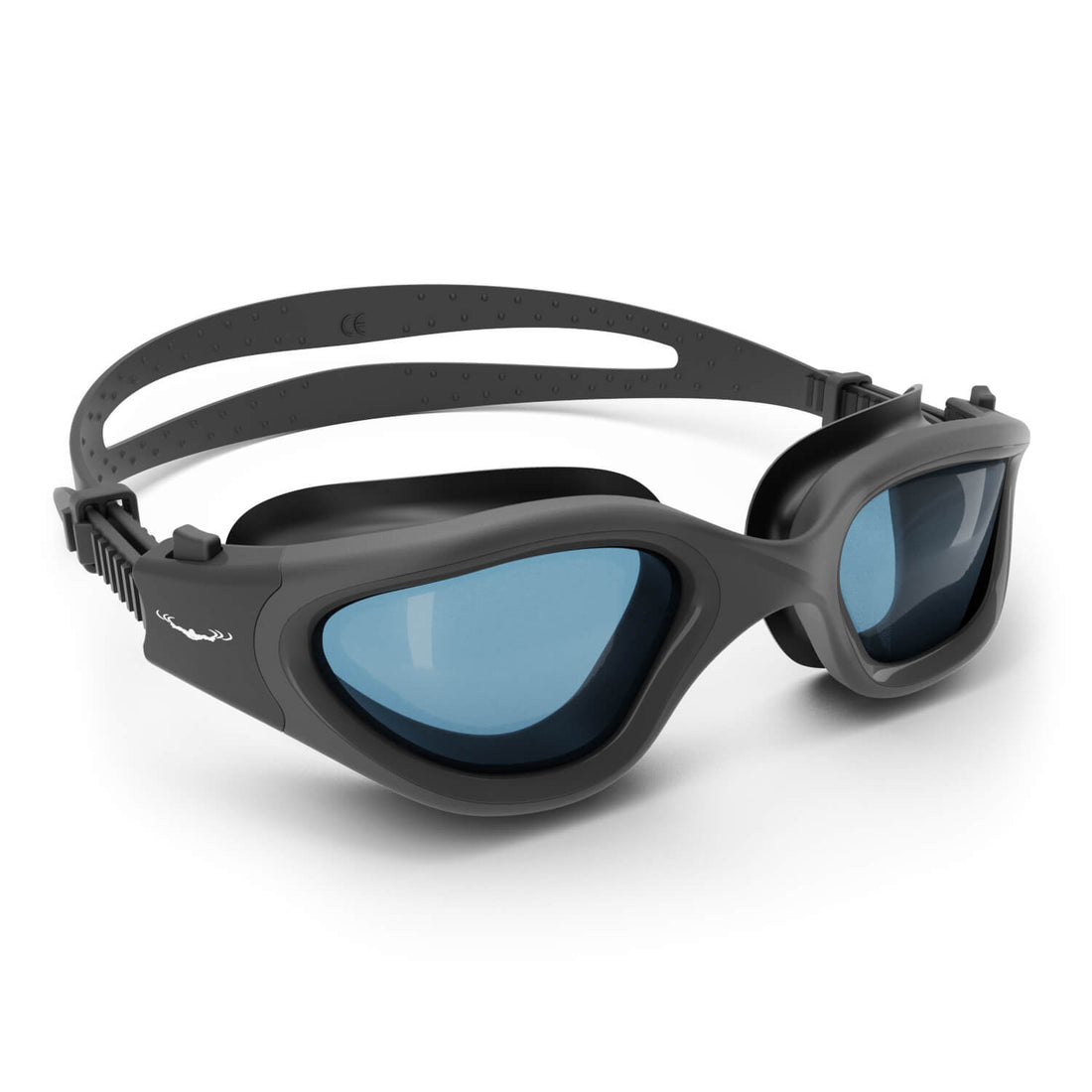
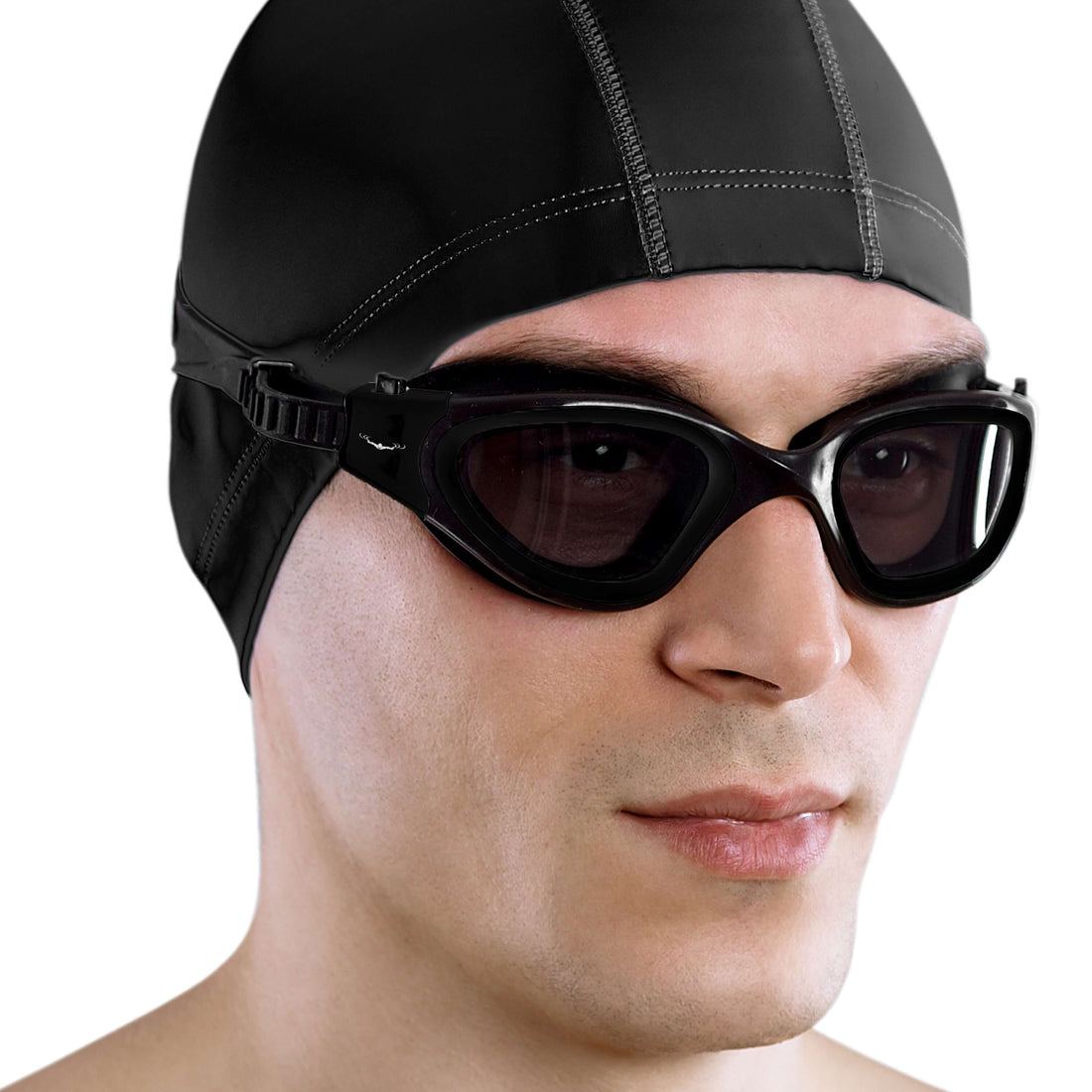
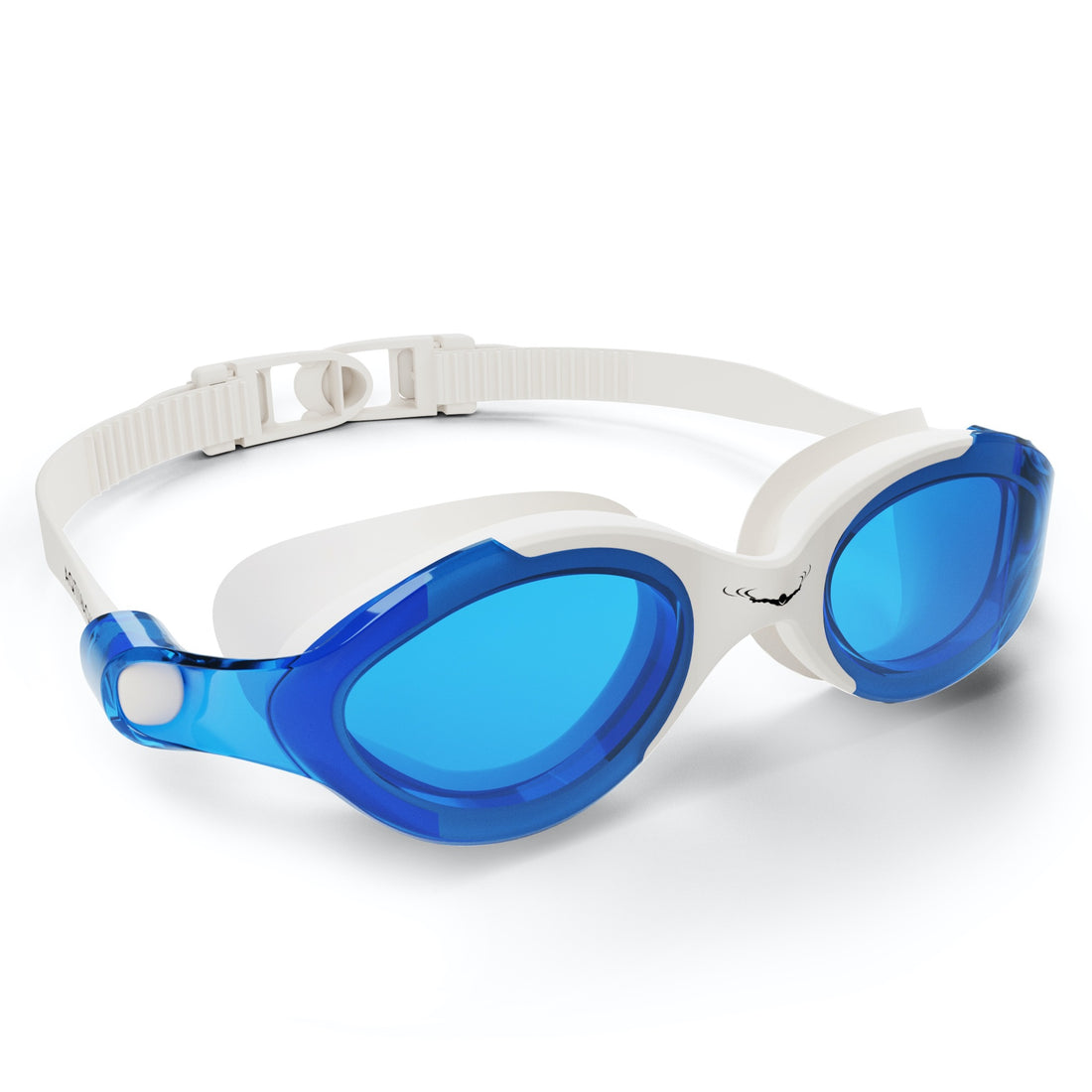
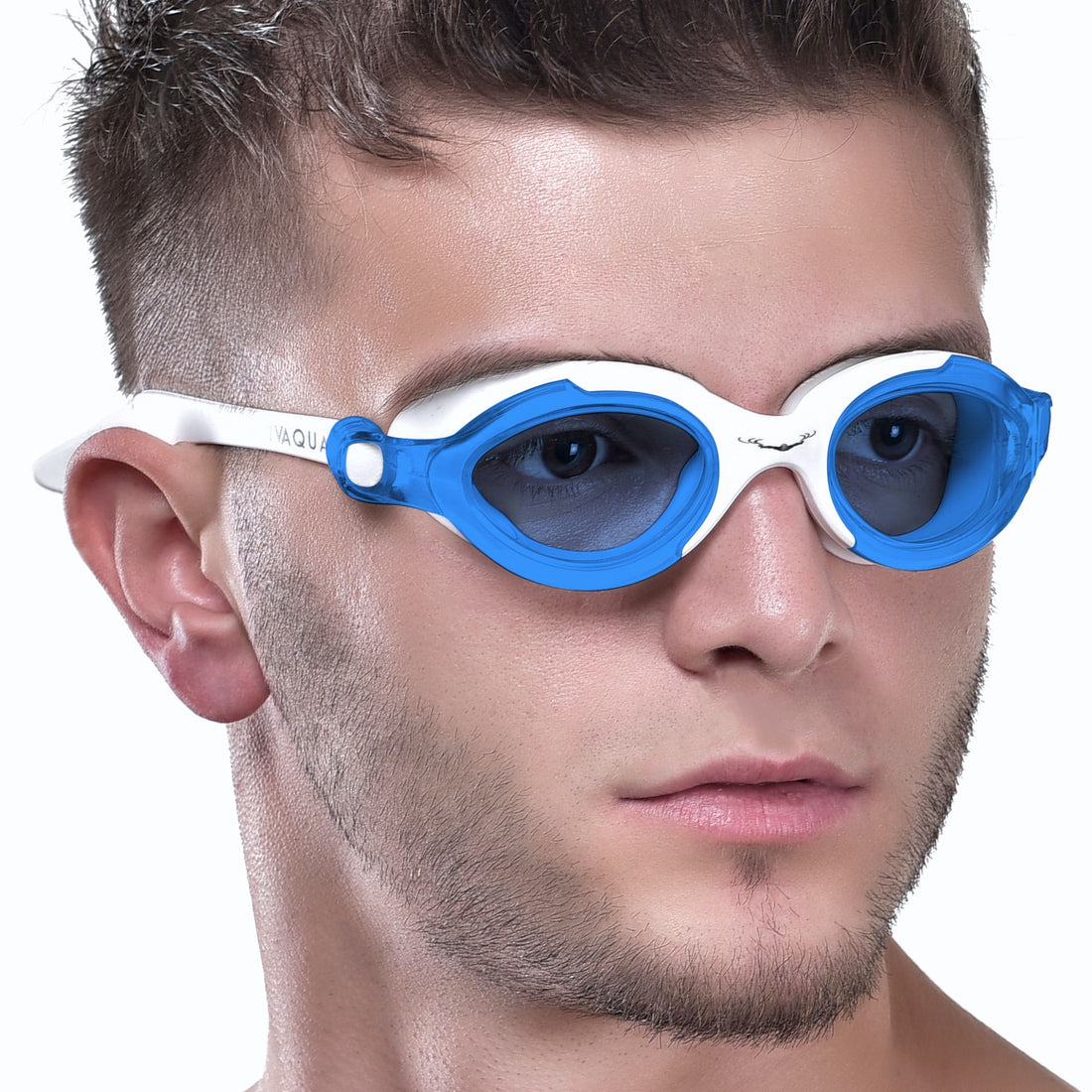
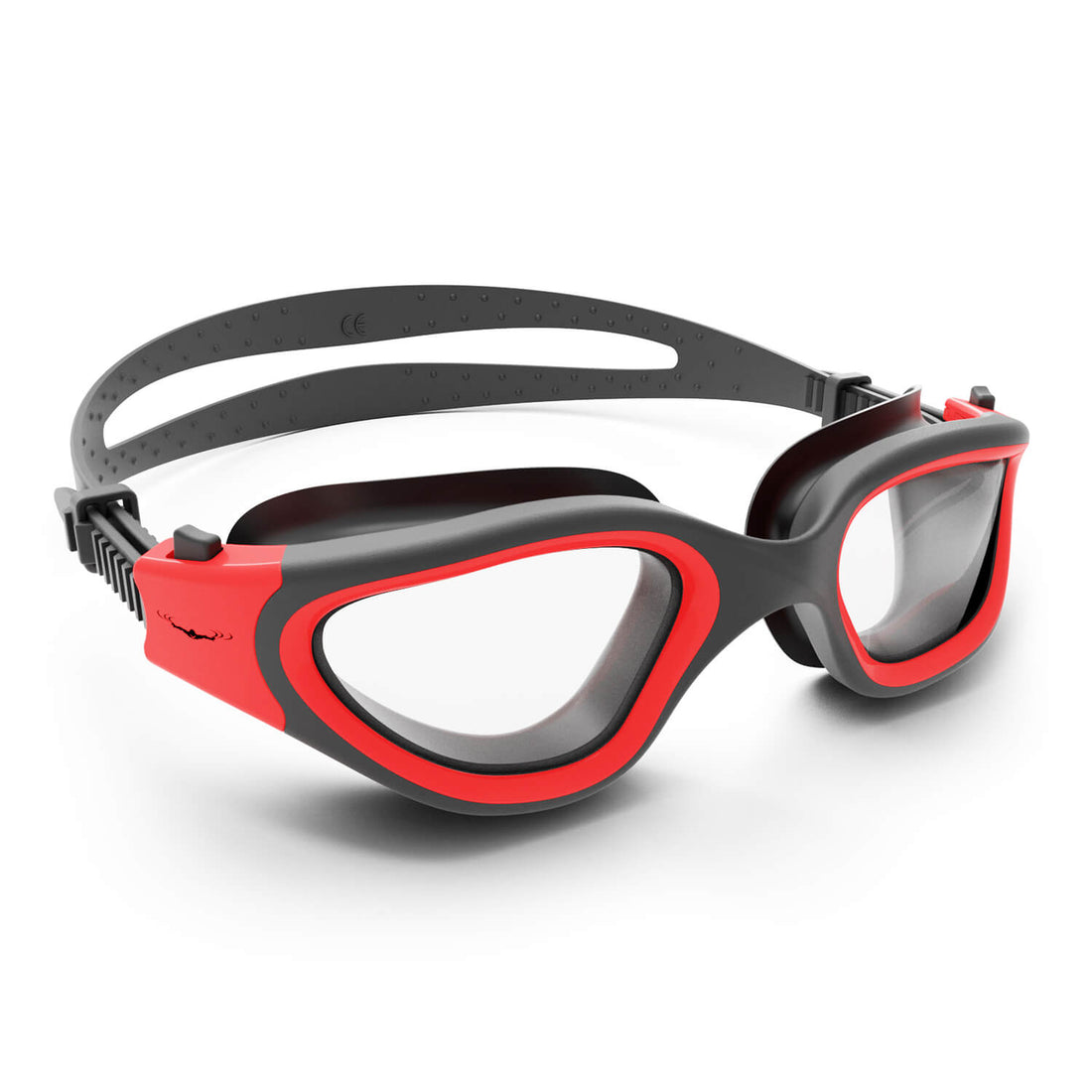
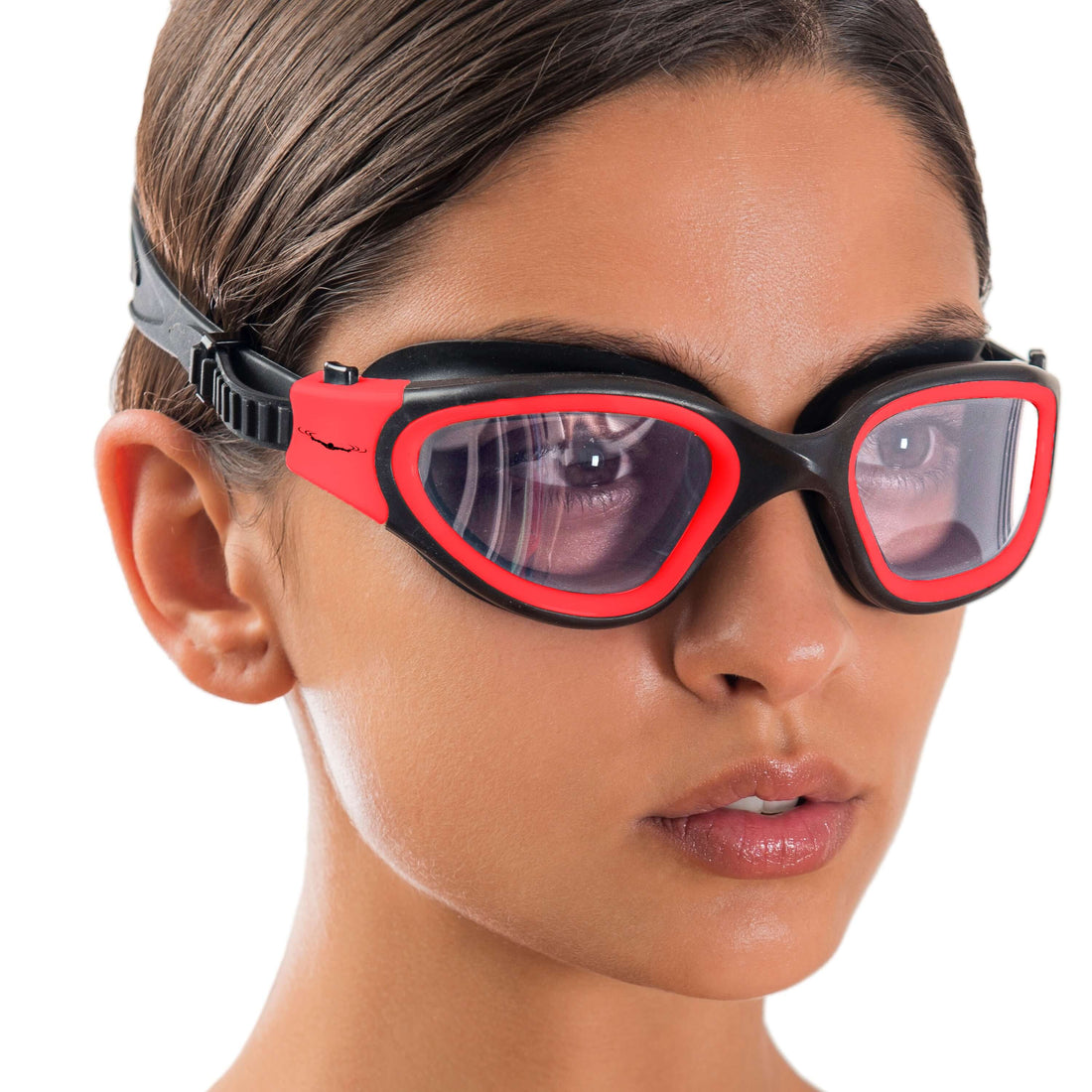
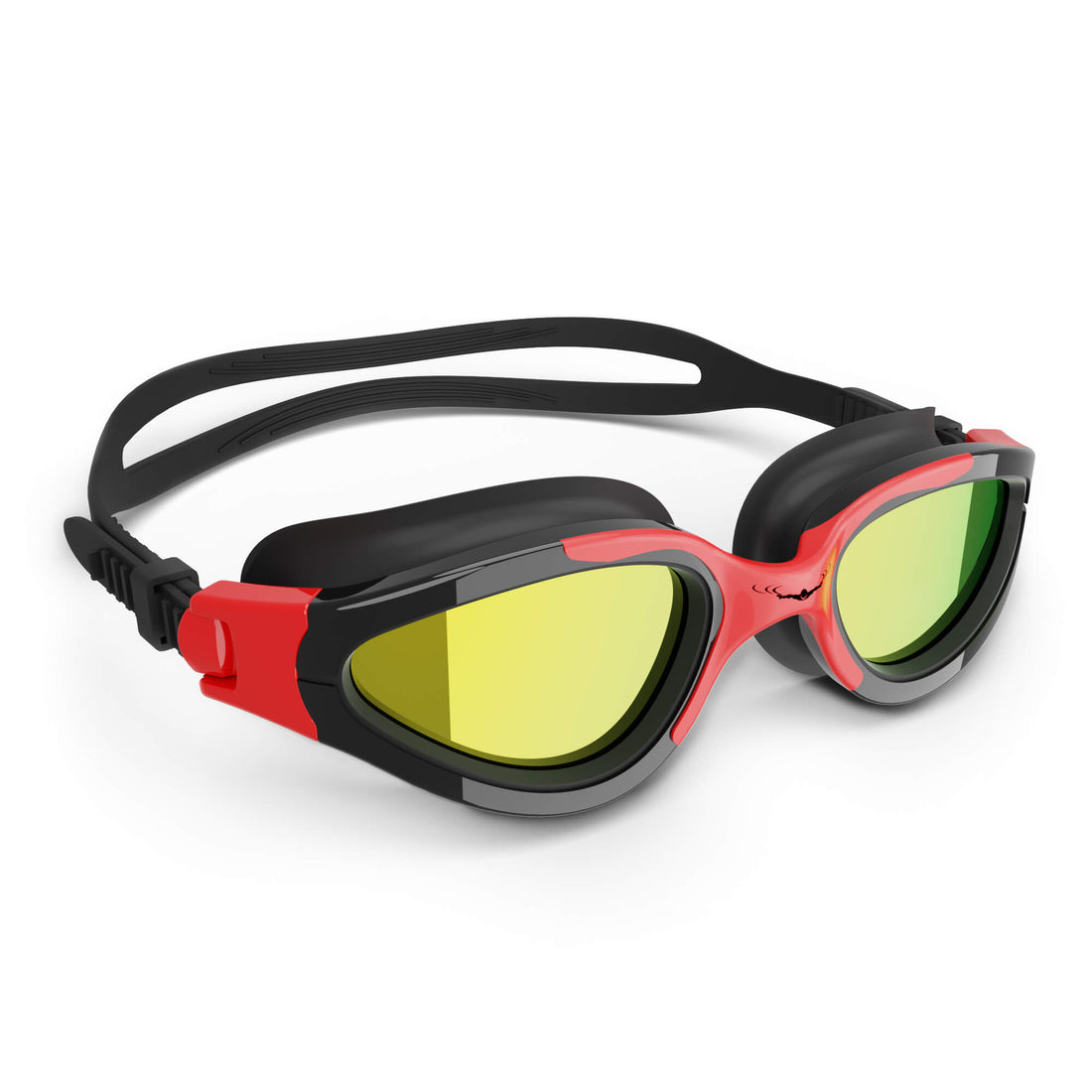
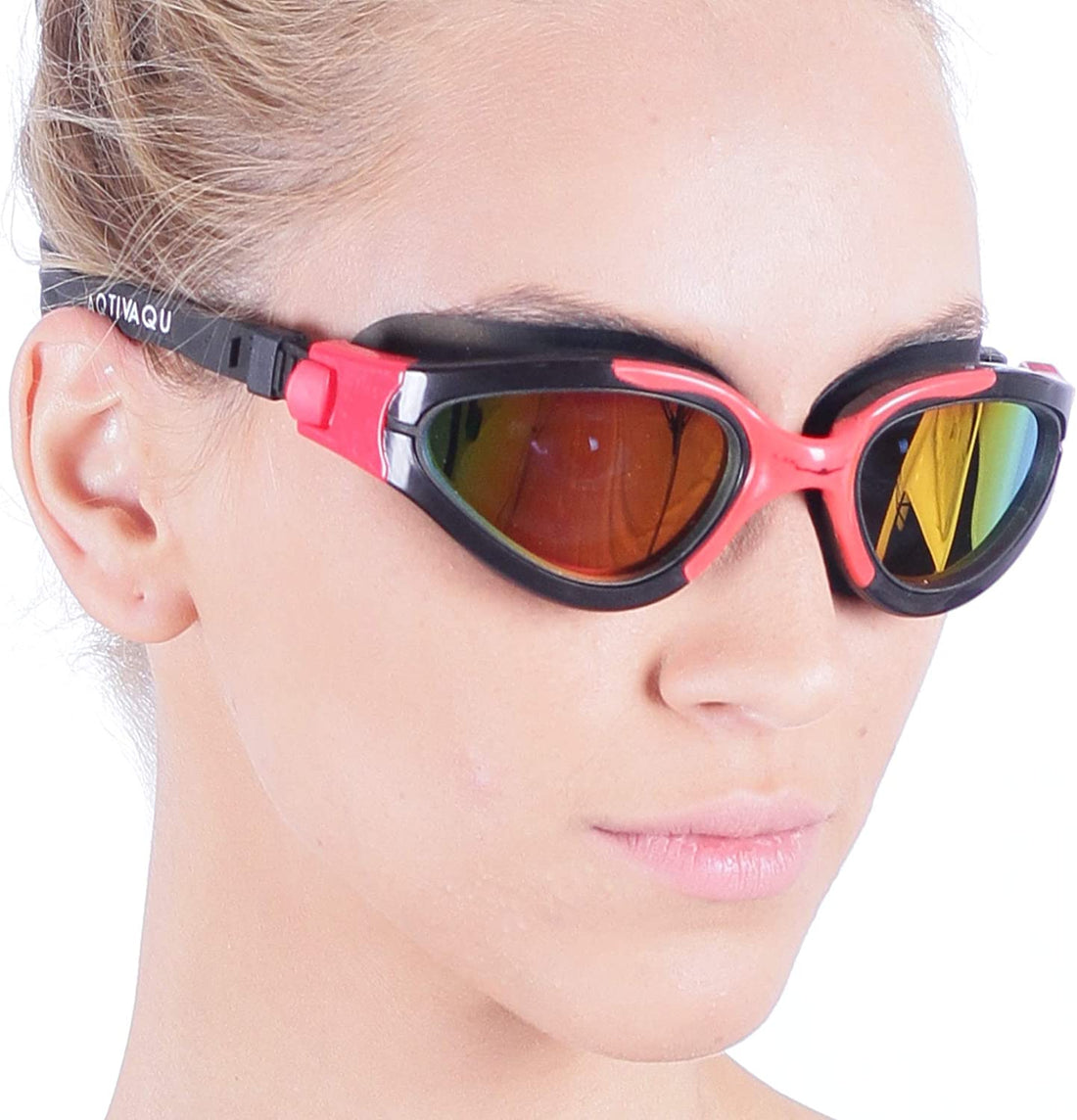
When embarking on your swim journey, the right gear plays a crucial role in your performance. Comfortable swim goggles, for instance, are an essential piece of equipment for swimmers of all levels. They not only provide clarity underwater but also contribute to the overall comfort while training. Here's why selecting the right swim goggles is so essential:
Choosing Comfortable Swim Goggles
Investing in comfortable swim goggles enhances your swimming experience. Here are some tips to help you choose the right pair:
- Fit: Ensure the goggles fit snugly without causing discomfort. Look for adjustable straps and flexible materials.
- Lenses: Depending on your swimming conditions, opt for anti-fog lenses for fresh water and tinted lenses for outdoor swimming.
- Style: Consider various designs, such as split straps or larger lens formats, to find a style that suits your needs and tastes.
Different Coaching Styles
No two swim coaches are identical, and each brings their coaching style and philosophy to training. Understanding various coaching styles can be essential for finding the right fit for your swimming goals:
Technical Coaching
This style focuses on stroke mechanics, efficiency, and technique analysis. Coaches may leverage video analysis to provide insights that allow swimmers to make necessary adjustments in real-time.
Motivational Coaching
These coaches emphasize the psychological aspects of swimming, motivating swimmers to push past their limits. They often incorporate mental strategies into training to foster resilience and determination.
Performance-Based Coaching
In performance-oriented coaching, the emphasis is on tangible results—races, times, and PRs (Personal Records). These coaches build rigorous training schedules that focus on performance metrics.
Finding the Right Coach for You
Finding the right swim coach is crucial for your development as a swimmer. Here are some factors to consider when searching for your ideal coach:
Assess Credentials and Experience
Start by investigating the certifications held by potential coaches. Look for qualifications from recognized organizations, as these often ensure that the coach is well-versed in modern training techniques and safety protocols.
Scheduling Flexibility
Consider your availability and how often you’ll be able to meet for training sessions. A coach who can accommodate your schedule can help maintain consistency in your training.
Personality Fit
Every swimmer has different preferences. Some may thrive under a strict coach, while others perform better with a more nurturing approach. Meet potential coaches to gauge their communication style and overall vibe.
Leveraging Technology in Swim Training
In today’s digital age, technology plays an important role in swim coaching. From smartwatches to swimming apps, here are some tools that can enhance your performance:
Swimming Apps
With a multitude of apps available that track workouts, analyze stroke performance, and provide training tips, swimmers can customize their training. These apps serve as comprehensive platforms for logging progress and achieving goals.
Video Analysis
As previously mentioned, many coaches use video technology to analyze strokes and technique. Recording and reviewing swim sessions allow athletes to visualize their movements and identify areas for improvement.
Nutrition and Recovery: A Coach’s Perspective
Another vital aspect of swim coaching is guidance on nutrition and recovery strategies:
Proper Nutrition
Coaches often work to instill a strong understanding of the nutritional needs of swimmers. A balanced diet is essential for fueling training and speeding up recovery. Coaches might provide advice on appropriate meal plans and hydration strategies that align with your training schedule.
Recovery Strategies
Effective recovery methods are just as crucial as training itself. Coaches may suggest techniques such as mobility work, yoga, and stretches that can enhance recovery and flexibility, crucial for preventing injuries.
Breaking Down Swim Techniques: Key Strokes
Every swimmer should aim to master four primary strokes. Here’s a brief overview of each:
Freestyle
Freestyle, or front crawl, is the fastest and most efficient stroke. It emphasizes alternating arm pulls, flutter kicks, and a streamlined body position.
Backstroke
This stroke involves an alternating arm movement while on your back. Proper positioning and timing are crucial for maximizing speed and efficiency.
Breaststroke
The breaststroke entails a unique arm and leg movement pattern. It is essential to find a rhythm and pacing that suits your ability to glide through the water effectively.
Butterfly
The butterfly is renowned for its demanding technique. It requires synchronization between arms and a powerful dolphin kick. Coaching guidance can be invaluable in refining this stroke.
Setting Goals and Measuring Progress
Creating realistic and achievable goals will enhance your swimming experience. Coaching can help pave the way to success:
Short-Term vs. Long-Term Goals
Short-term goals can be tied to improving technique or readiness for upcoming competitions. Conversely, long-term goals can revolve around larger performance milestones, such as qualifying for a championship meet.
Regular Assessments
Regular check-ins with your coach allow for assessments of both your goals and techniques. Tracking results over time can create a clear picture of your improvements and highlight areas where more focus is needed.
Community and Team Culture
Being part of a swim team or community can significantly enhance your motivation levels and enjoyment of the sport.
The Power of Teamwork
Swim teams foster camaraderie, where swimmers inspire and support each other. Your coach plays a pivotal role in building this culture, promoting teamwork during training and competitions.
Find Your Tribe
Whether it’s joining a local swim club or engaging online in forums, surrounding yourself with like-minded individuals encourages consistency and builds a sense of belonging.
Elevate Your Performance with Swim Coaching
Choosing to engage with the world of swim coaching opens up countless opportunities for improvement, performance, and personal satisfaction. Remember, the most successful swimmers are those who embrace learning from coaches, invest in quality swim goggles for better performance, and foster a supportive environment. Whatever your goals, effective swim coaching can lead you to swimming success. So gear up, find the right coach, and dive headfirst into your transformational swimming journey!
Frequently Asked Questions
1. What is swim coaching?
2. What role does a swim coach play?
3. Why is gear important in swimming?
4. How can I find the right swim coach for me?
5. What are the key strokes every swimmer should master?
Glossary
| Term | Meaning |
|---|---|
| Swim Coaching | Guidance to enhance a swimmer's performance across skill levels. |
| Technique Improvement | Refining stroke mechanics and efficiency for better performance. |
| Fitness and Endurance | Building strength and stamina essential for competitive swimming. |
| Motivational Coaching | Focusing on psychological aspects to inspire swimmers. |
| Swimming Apps | Tools to track workouts and analyze performance metrics. |
| Video Analysis | Using recordings to improve stroke technique and efficiency. |
| Freestyle | The fastest swimming stroke, emphasizing efficiency and speed. |
| Breaststroke | A stroke characterized by a unique arm and leg movement pattern. |
| Short-Term Goals | Immediate objectives, like improving technique for competitions. |
| Team Culture | A supportive environment fostering camaraderie among swimmers. |
Linked Product

DX Wide View Swim Goggles + SHOCK Protective Case
The DX Wide View Swim Goggles feature clear 180° polycarbonate lenses that provide true-color visibility, making them ideal for indoor and low-light swimming conditions. With advanced anti-fog technology and a secure, leak-free design, these goggles ensure clear vision and comfort during intense workouts. The included SHOCK protective case offers durable storage, making it easy to keep your goggles safe and ready for your next swim.
View Product