

Overview
Hydration is crucial for swimmers, even when surrounded by water. Dehydration can reduce performance, increase fatigue, and impair judgment. Signs of dehydration include increased thirst, dry mouth, dark urine, and muscle cramps. To maintain hydration, drink before and after swimming, keep water bottles poolside, incorporate electrolytes, and monitor fluid intake. Temperature affects hydration levels, so adjust your drinking habits accordingly. Proper planning and awareness can significantly enhance your swimming experience and performance.
Frequently Asked Questions
1. Why is hydration important for swimmers?
2. How does dehydration affect swimming performance?
3. What are the signs of dehydration for swimmers?
4. What strategies can swimmers use to stay hydrated?
5. How does temperature influence hydration while swimming?
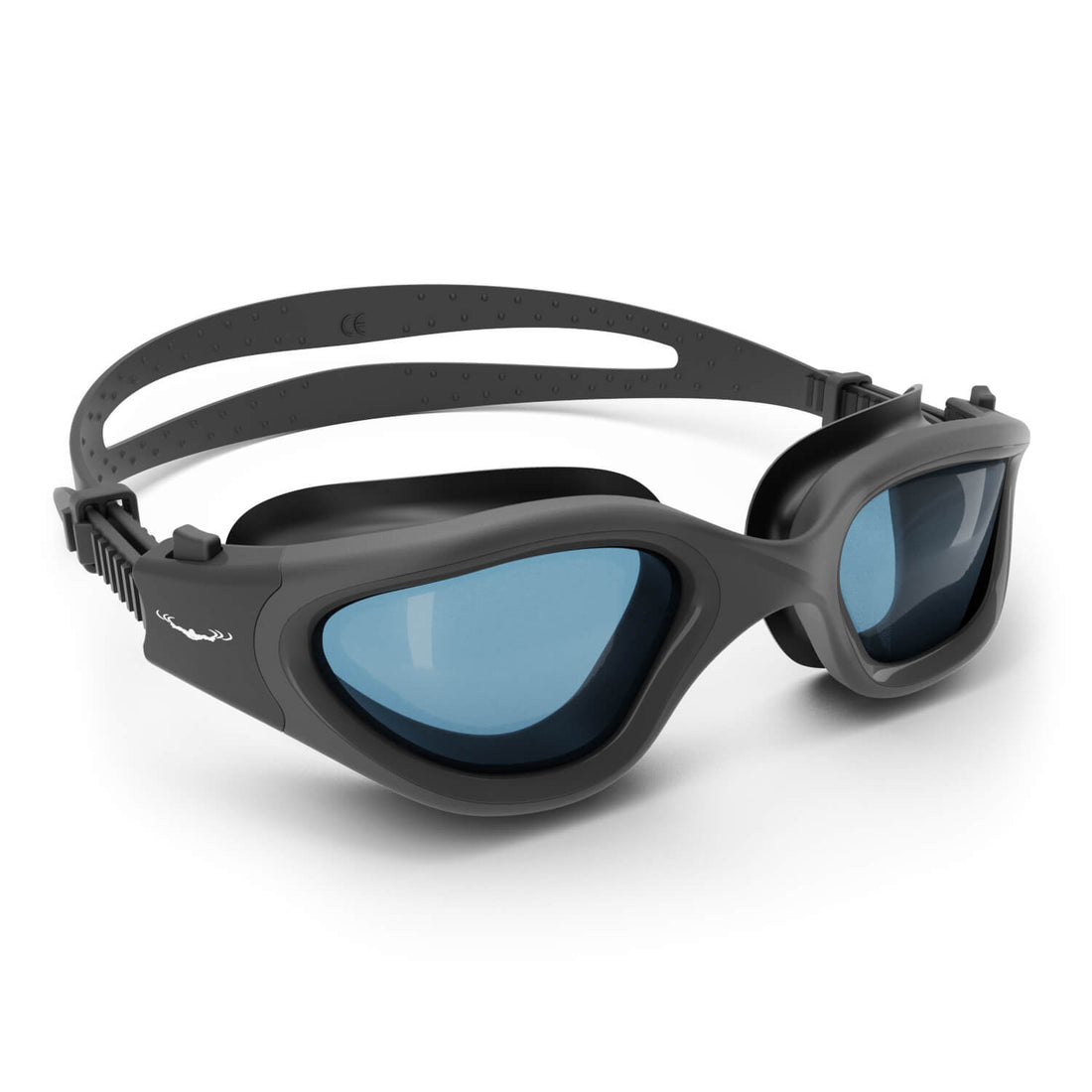
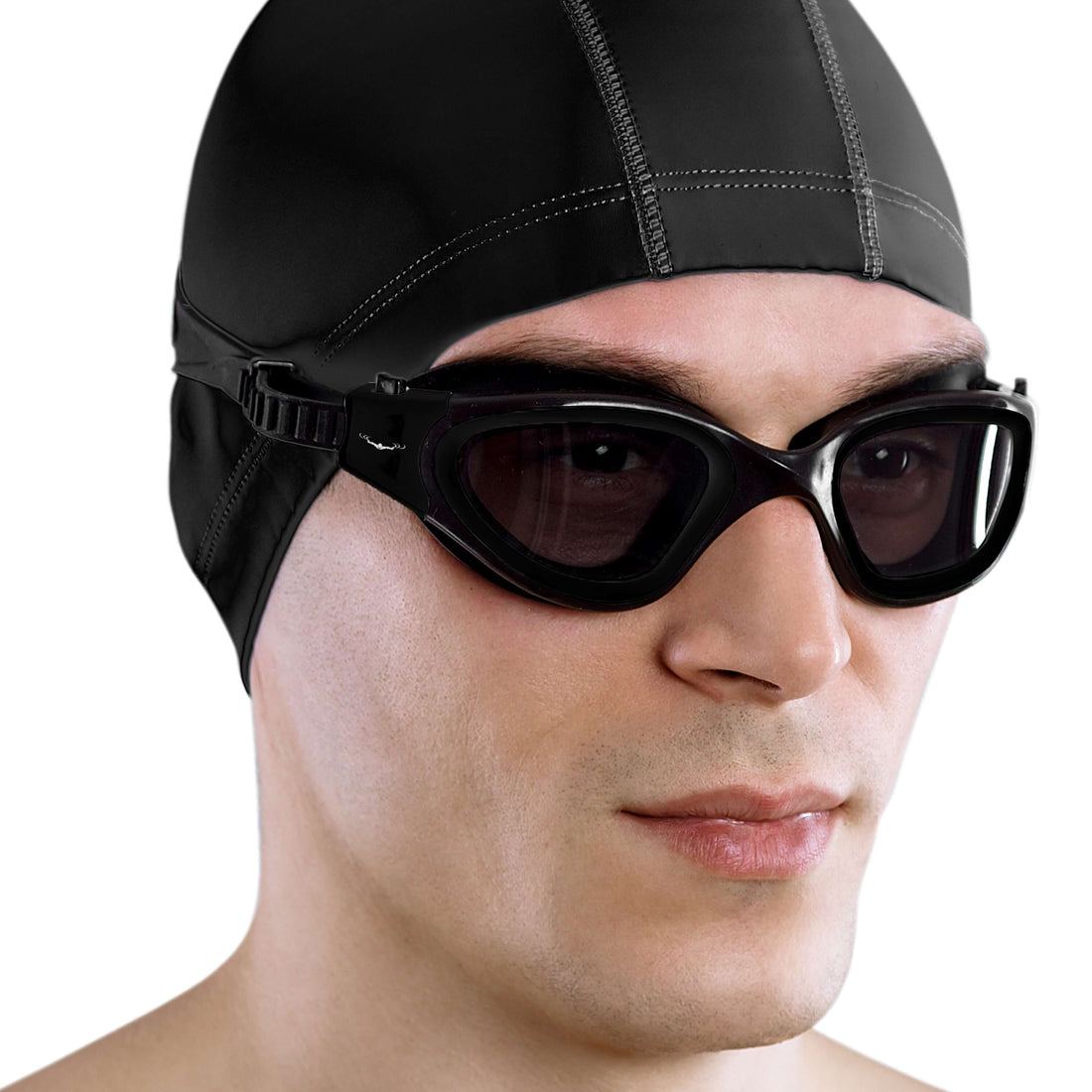
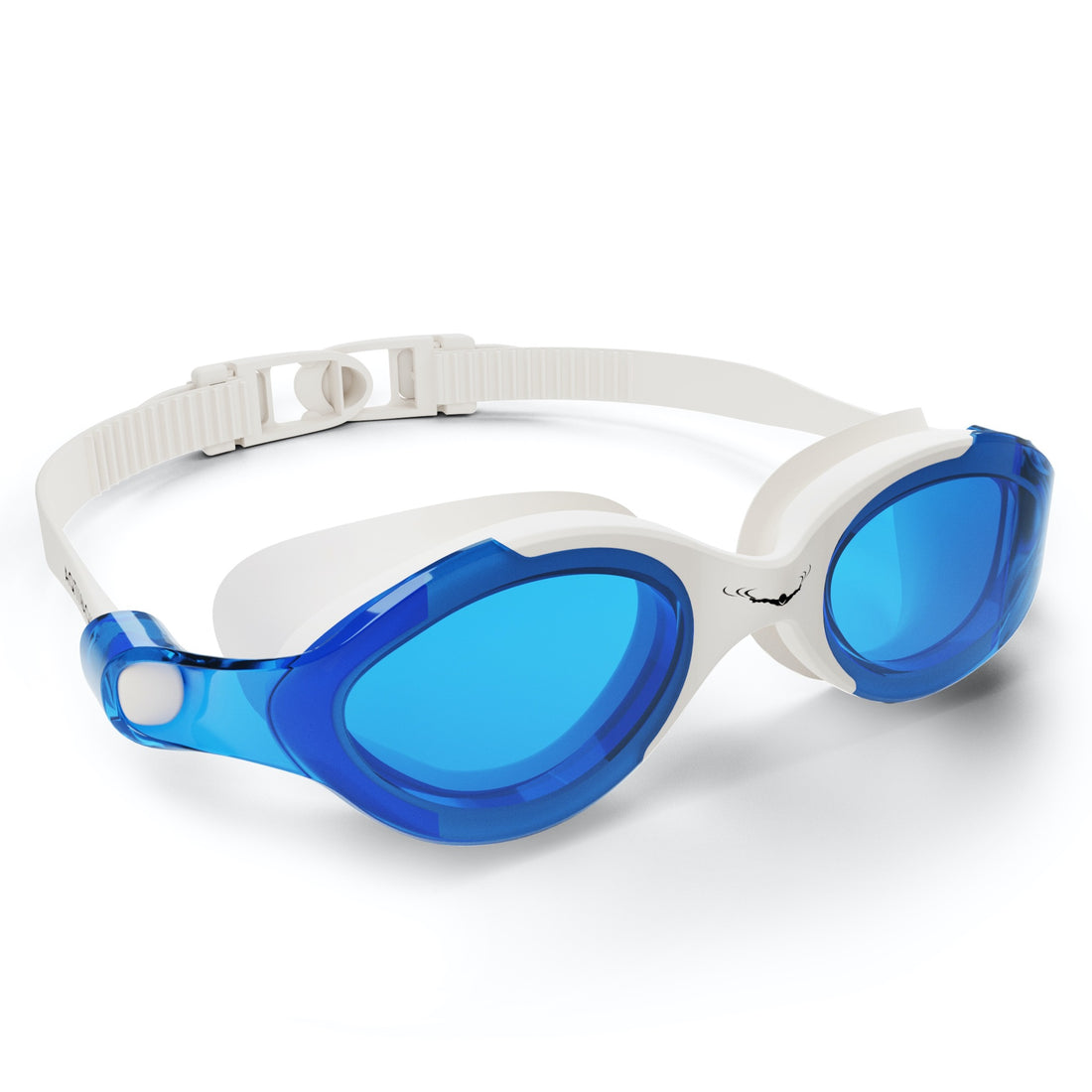
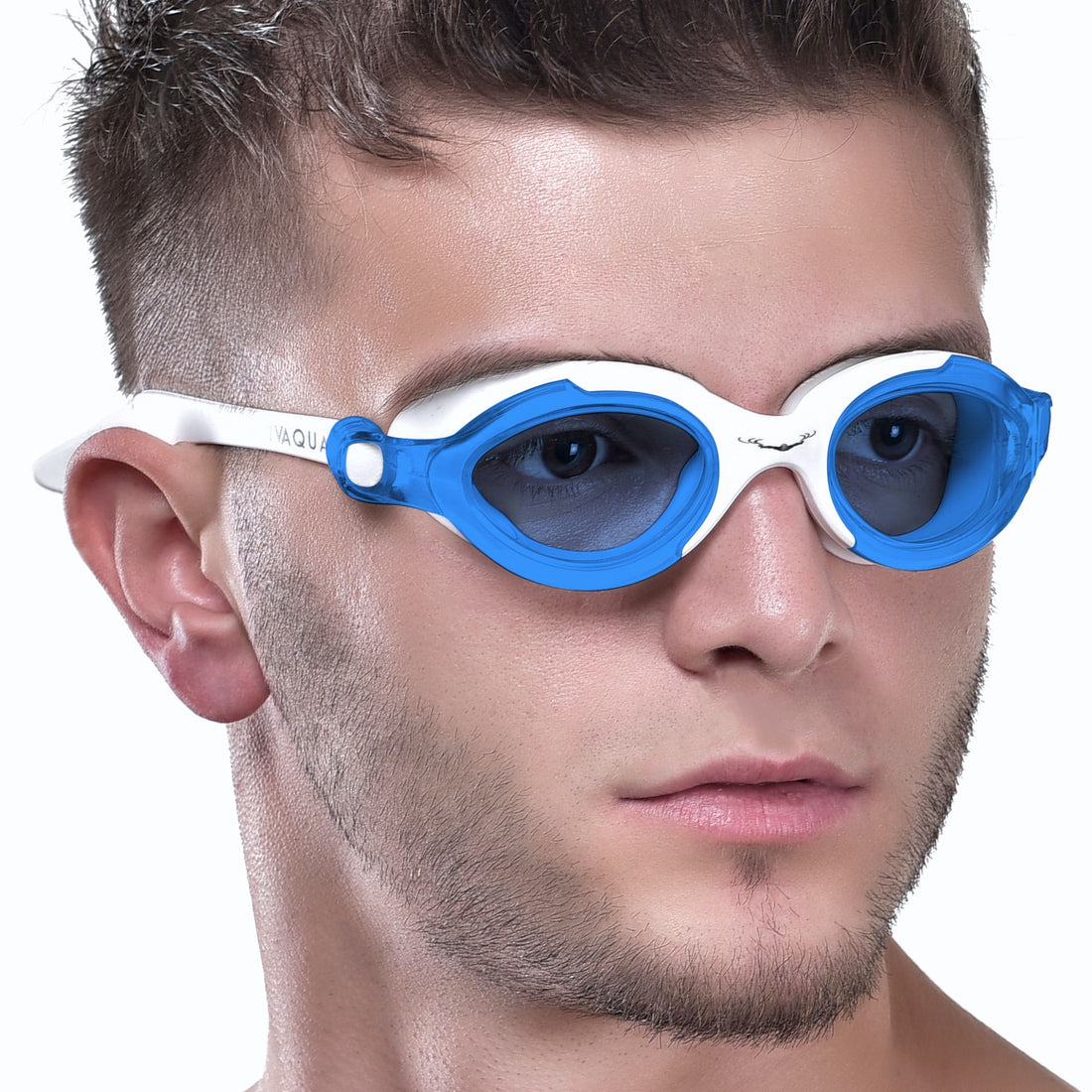
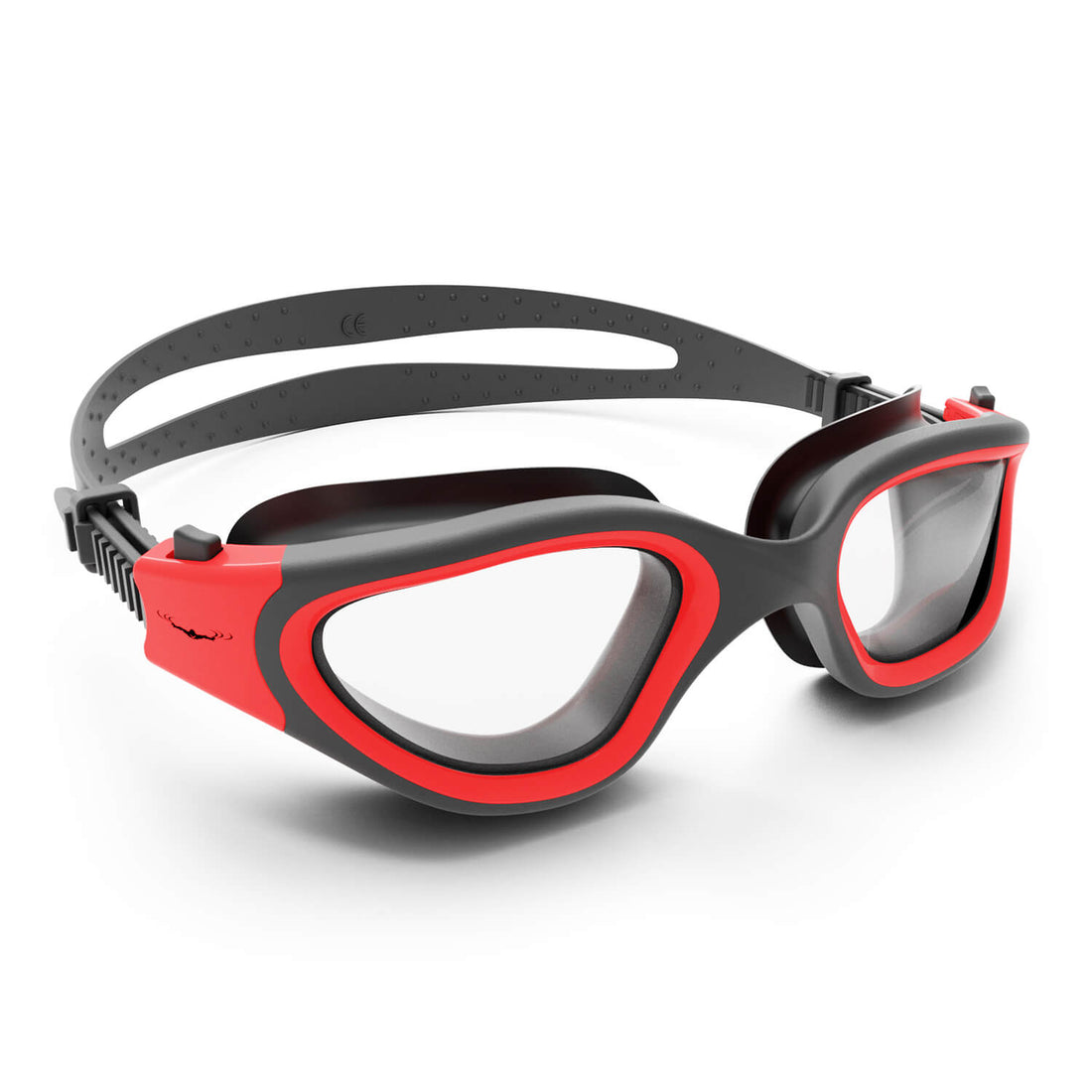
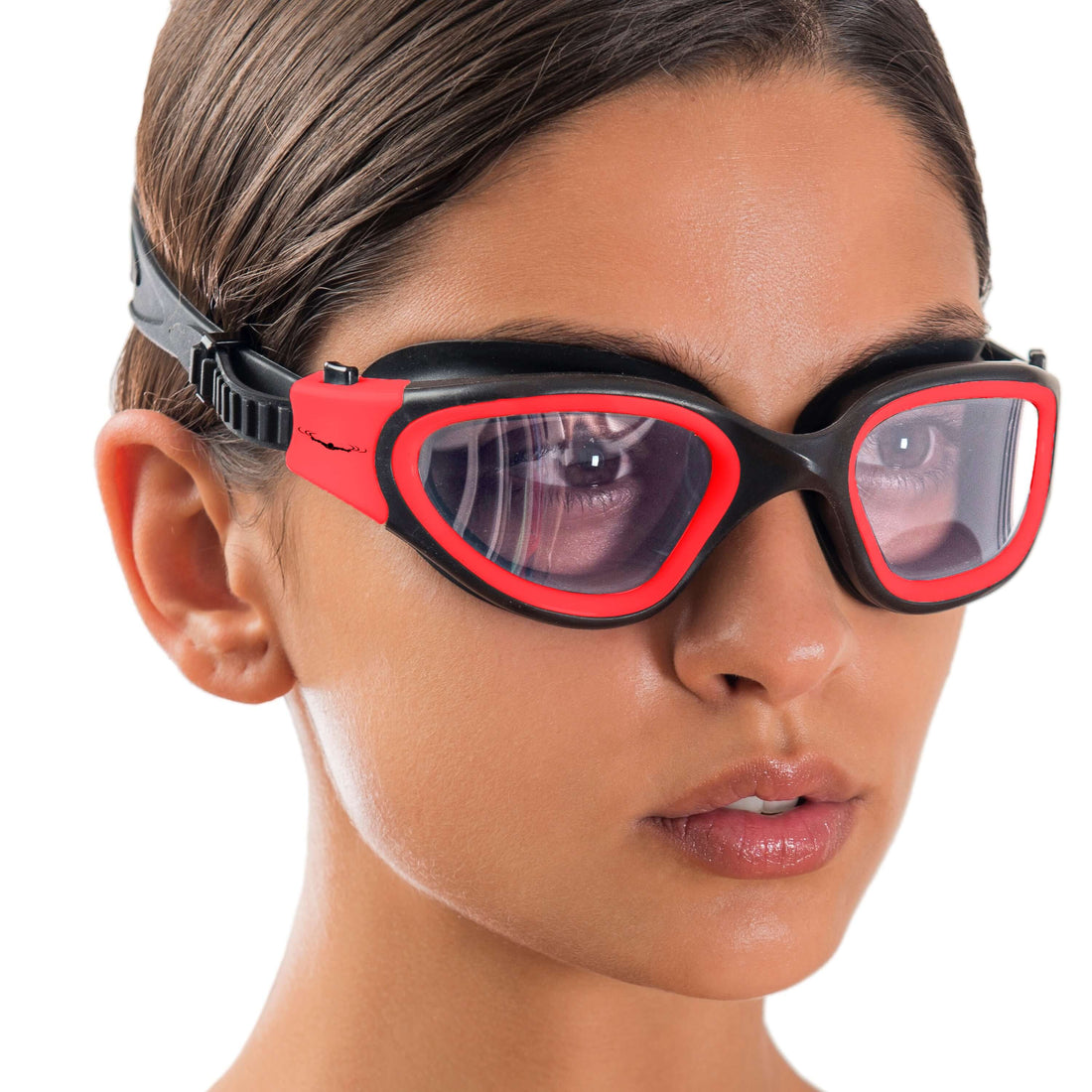
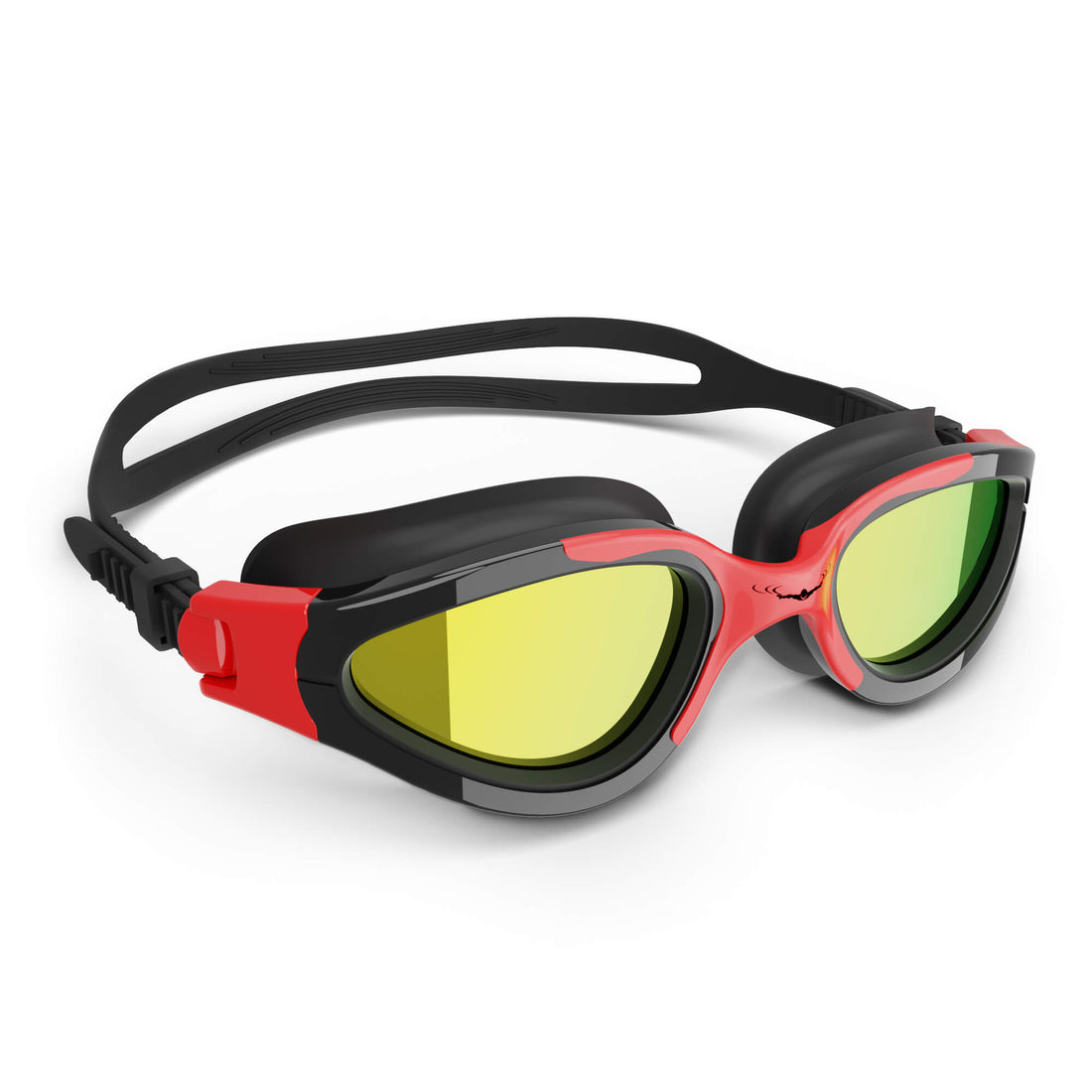
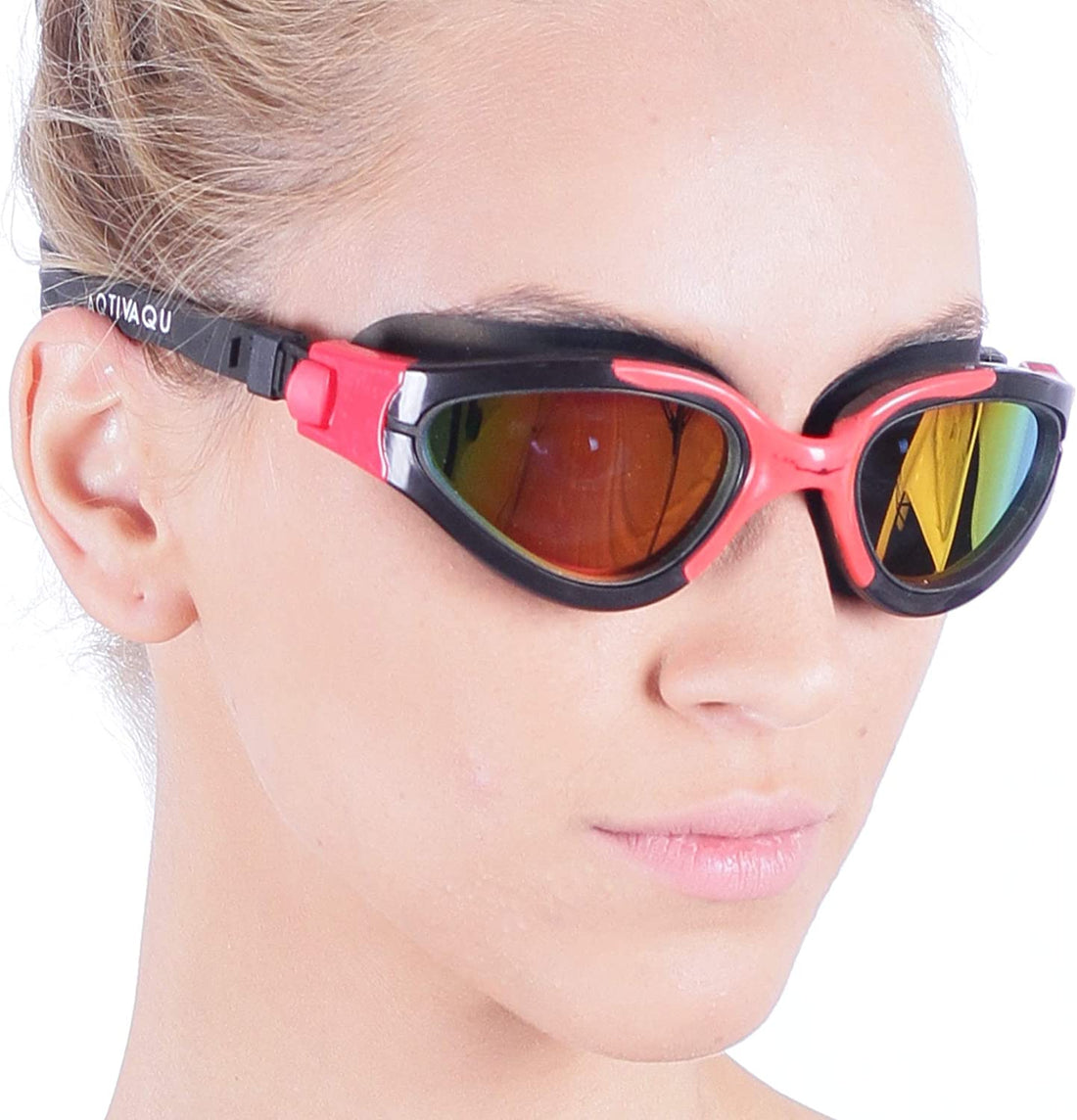
When we think about swimming, the focus often shifts to techniques, strokes, and gear like neoprene swimming headbands or comfortable swimming goggles. However, one of the most critical aspects of any swimmer's routine that deserves attention is hydration. Yes, even while submerged in water, your body can become dehydrated, affecting performance, safety, and overall enjoyment. Let’s dive into the importance of hydration while swimming and how it can elevate your aquatic experience.
The Science Behind Hydration
Hydration plays an essential role in maintaining our body’s functionality. From regulating body temperature to lubricating joints, adequate water intake is vital. When engaging in physical activity, the body loses fluids through sweat, even when you don’t notice it, like when you're swimming. This fluid loss can lead to dehydration, which can hinder your swimming performance and lead to fatigue.
How Dehydration Affects Swimmers
Swimmers often overlook hydration because they are surrounded by water, but hydration deficits can significantly impact performance. Here are a few ways dehydration affects your swimming endeavors:
- Reduced Physical Performance: Even a slight decrease in hydration can impair coordination, strength, and endurance.
- Increased Fatigue: Dehydration can quickly lead to muscle cramping and fatigue, which may force you to cut your swim short or compromise your technique.
- Impaired Judgment: Dehydration can affect cognitive function, making it harder to focus on techniques or follow safety guidelines.
- Impact on Recovery: Proper hydration is crucial for recovery after swimming sessions. It helps in flushing out toxins and reduces muscle soreness.
Signs of Dehydration in Swimmers
Being aware of the signs of dehydration can help you address it before it becomes a significant issue. Here are some common symptoms to watch for:
- Increased thirst.
- Dry mouth or tongue.
- Dark-colored urine.
- Fatigue or dizziness.
- Muscle cramps.
If you experience any of these symptoms while swimming, it’s vital to take a break, hydrate, and cool down.
Hydration Strategies for Swimmers
Knowing the importance of hydration is one thing, but executing a solid hydration strategy is crucial. Here are some effective tips to help maintain your hydration levels while swimming:
Drink Before and After Swimming
Before you even step into the pool, hydrate your body. Aim to drink 16-20 ounces of water about two hours before your swim. Post-swim, replenishing your fluids is just as vital, especially after an intense workout where significant sweat loss may occur.
Use Water Bottles Poolside
Keep a water bottle at the edge of the pool as a reminder to drink. Easy access will encourage you to sip during breaks or between sets. Ideally, you should drink small amounts frequently rather than large quantities infrequently.
Incorporate Electrolytes
When swimming, your body loses essential electrolytes through sweat. Consider incorporating electrolyte drinks into your hydration routine, particularly after long swimming sessions, to restore balance and energy levels.
Monitor Fluid Intake
Keeping track of your fluid intake can help you stay accountable. Use apps or simple notes to ensure you’re drinking enough water throughout the day, not just while you’re in the pool. Aim for at least 64 ounces daily, adjusting based on your activity levels.
Choose Smart Swim Gear
Utilize swim gear that promotes comfort and performance. For example, wearing a neoprene swimming headband can help keep sweat from getting into your eyes and enhance your focus, allowing you to plan your hydration strategy better while swimming.
The Role of Temperature in Hydration
Temperature plays a significant role in hydration levels. Warmer water temperatures can increase your sweat loss without you realizing it. In contrast, colder temperatures might suppress your perceived thirst, posing a challenge for maintaining proper hydration. Understanding how temperature influences your body can aid in adjusting your hydration habits accordingly.
How to Adjust for Temperature
If you’re swimming in warmer water:
- Increase your pre-swim fluid intake.
- Consider using ice cubes or chilled beverages to cool off.
- Sip water regularly throughout your session.
For colder water conditions, you may be less likely to feel thirsty, but the risk of dehydration still exists; hence it’s important to stay vigilant:
- Set a timer to remind yourself to drink every 20-30 minutes.
- Warm up fluids before drinking to encourage consumption.
Hydration and Performance: Real-world Applications
Understanding the connection between hydration and performance is essential for both competitive and recreational swimmers. Increased awareness of hydration can lead to improved concentration, speed, and overall enjoyment of the swimming experience.
Pre-Competitions Strategies
If you are preparing for a swim meet, start your hydration routine several days in advance. By ensuring your body is sufficiently hydrated beforehand, you can boost your performance on race day. Additionally, consider consuming a small meal or snack that includes fluids and electrolytes, to prepare for the demands ahead.
Racing Day Tips
On race day, stick to your established hydration routine, prioritize easy-to-digest fluids, and don’t try anything new that could disrupt your stomach. Here’s a potential pre-race hydration plan:
- Two hours before the race: 16-20 ounces of water or sports drink.
- One hour before: Additional 8 ounces, possibly flavored for taste.
- During the race: Small sips of water at breaks, if allowed.
Stay Ahead with Proper Planning
Staying hydrated while swimming doesn't just happen; it requires planning and foresight. Start by creating a hydration schedule that works for your swimming routine. Not only will this help ensure that you maintain peak performance, but it's also a great way to integrate hydration into your broader athletic strategy.
Educate Your Team or Swimming Group
For those who swim in groups or competitively, take the initiative to educate others about the importance of hydration. Poolside discussions can spark awareness and motivate everyone to commit to better hydration habits.
Final Thoughts: Surfing the Waves of Hydration
Your swimming experience can be immensely enriched by proper hydration. From the steady rhythm of strokes to the exhilarating splashes of water, every moment spent in the pool is enhanced when you’re well-hydrated. Remember, whether it’s the thrill of competition or the joy of leisure swimming, hydration is your silent companion. So the next time you gear up with your favorite swimming goggles or neoprene swimming headband, don’t forget to keep your hydration levels in check—your body will thank you for it!
Linked Product

Neoprene Swimming Headband - Swim Ear Band Protection Cover - Hair Guard - Keep Ear Plugs IN
The Neoprene Swimming Headband offers effective ear protection by securely holding earplugs in place, making it suitable for those with ear tubes or perforated eardrums. Its quick-dry material helps keep ears warm, while the bright colors enhance visibility in water. Available in multiple sizes, this headband caters to users of all ages, ensuring a comfortable fit for everyone.
View ProductTake a moment to explore another user's Shopify or Wix store. Visit their store through this link. Please be aware that this is a promotional link, and we cannot be held responsible for the content of the linked store.