

Overview
Swimming is an excellent full-body workout, but proper warm-up and cool-down routines are crucial for enhancing performance and preventing injuries. Warm-ups increase blood flow, flexibility, and mental focus, while cool-downs aid recovery and reduce muscle soreness. Both routines are essential for swimmers of all levels to optimize their swimming experience.
Table of Contents
- Understanding Warm-Up Exercises
- Benefits of Warm-Up Exercises
- Effective Warm-Up Techniques for Swimmers
- General Aerobic Activities
- Dynamic Stretching
- Swimming-Specific Drills
- The Importance of Cool-Down Exercises
- Benefits of Cool-Down Exercises
- Crafting an Effective Cool-Down Routine
- Light Swimming
- Static Stretching
- Hydration
- Real-Life Success Stories
- Competitive Swimmer: Sarah Johnson
- Recreational Swimmer: Mark Stevens
- Common Misconceptions About Warm-Up and Cool-Down Exercises
- Warm-Ups Are Only for Competitive Swimmers
- Cool-Downs Are Not Necessary
- Make Warm-Up and Cool-Down a Priority
Key Takeaways
- Warm-ups enhance performance: Gradually increasing heart rate and blood flow prepares muscles for swimming.
- Dynamic stretching is key: Incorporating movements like arm circles and leg swings improves flexibility and reduces injury risk.
- Cool-downs aid recovery: Engaging in light swimming and static stretching helps the body transition back to rest and reduces muscle soreness.
- Hydration is essential: Replenishing fluids post-swim supports recovery and maintains performance levels.
- All swimmers benefit: Warm-up and cool-down routines are important for both competitive and recreational swimmers alike.
- Misconceptions exist: Many believe warm-ups are only for elite swimmers or that cool-downs are unnecessary, but both practices are crucial for everyone.
- Structured routines yield results: Swimmers who adopt these practices report reduced discomfort and improved flexibility.
Swimming is a fantastic full-body workout that improves cardiovascular health, builds muscle, and enhances overall well-being. Whether you are an elite swimmer or just dipping your toes into the world of swimming, incorporating proper warm-up and cool-down exercises can significantly impact your performance and reduce the risk of injury. In this article, we will explore the importance of warm-up and cool-down exercises in swimming, alongside tips and techniques to enhance your swimming experience.
Understanding Warm-Up Exercises
Warm-up exercises are essential for preparing your body for the physical demands of swimming. When you engage in a warm-up routine, you gradually increase your heart rate, enhance blood flow to your muscles, and improve your flexibility. This preparation not only optimizes performance but also helps prevent injuries. Let's dive deeper into the core benefits of warm-ups.
Benefits of Warm-Up Exercises
- Increased Blood Flow: Warm-up activities facilitate the delivery of oxygen to your muscles, ensuring they are ready to perform efficiently. This is especially crucial when swimming, as the body requires significant oxygen to sustain movement in the water.
- Enhanced Flexibility: Dynamic stretching during a warm-up increases the range of motion in your joints, allowing for more fluid swimming strokes. Consider using a neoprene swimming headband to keep your hair out of the way as you perform these stretches.
- Improved Mental Focus: A good warm-up routine helps you get into the right mindset, boosting your concentration and readiness for a successful swim.
- Reduction of Injury Risk: Gradually increasing the intensity of your activity helps to avoid muscle strains or tears, giving your body time to adjust to more strenuous movements.
Effective Warm-Up Techniques for Swimmers
A well-rounded warm-up should consist of general aerobic activities, flexibility exercises, and swimming-specific drills. Here are some recommended steps to craft your warm-up routine:
General Aerobic Activities
Start with 5-10 minutes of light aerobic activity to get your heart pumping. You may choose to jog lightly around the swimming pool or perform jumping jacks. The aim is to gently elevate your heart rate.
Dynamic Stretching
After your initial aerobic activity, focus on dynamic stretching. This could include arm circles, leg swings, and torso twists. Such movements increase your flexibility and prepare your muscles for the strokes you'll be performing.
Swimming-Specific Drills
Once you feel warm and loose, begin incorporating swimming-specific drills into your routine. Perform a few laps using different strokes, such as freestyle, breaststroke, and backstroke, but remember to do them at a lower intensity. This phase allows your body to get accustomed to the water while still preparing for your main workout.
The Importance of Cool-Down Exercises
Many athletes overlook cool-down exercises, often rushing to finish a swim and get out of the pool. However, similar to warm-ups, cool-downs are critical for recovery. They help your body transition back to a resting state and prevent muscle tightness and soreness.
Benefits of Cool-Down Exercises
- Regulates Heart Rate: Gradually reducing your effort helps bring your heart rate back to normal levels.
- Reduces Muscle Soreness: Cool-down exercises help clear out lactic acid from your muscles, minimizing post-workout stiffness.
- Prevents Dizziness: Abruptly stopping physical activity can lead to dizziness or light-headedness; a cool-down helps mitigate this effect.
- Enhances Flexibility: Stretching at the end of your swim can aid in maintaining or improving flexibility.
Crafting an Effective Cool-Down Routine
Your cool-down routine should also include several key components to optimize recovery:
Light Swimming
Begin your cool-down with slow, gentle laps. Aim to swim at about 50% of your usual speed. This eases your heart rate down slowly and helps relax your muscles.
Static Stretching
After your swim, include static stretches to target muscles used during your swim. Hold each stretch for about 15-30 seconds. Focus on your shoulders, arms, hamstrings, and back, as these are commonly engaged during swimming. Make sure to integrate your neoprene swimming headband for your comfort while bending and stretching.
Hydration
Don't forget to hydrate! After rigorous activity, your body needs fluids to recover. Water or a sports drink can help replenish lost fluids and electrolytes.
Real-Life Success Stories
Let’s explore how incorporating warm-up and cool-down routines has changed the game for various swimmers:
Competitive Swimmer: Sarah Johnson
Sarah, a competitive swimmer, struggled with shoulder pain and tightness during her races. After her coach introduced her to a structured warm-up and cool-down routine, including dynamic stretches and gentle swimming post-race, she noted a significant reduction in her discomfort. Now, she feels more prepared and less fatigued after every competition.
Recreational Swimmer: Mark Stevens
Mark is a weekend warrior who enjoys swimming for fitness. He rarely did cool-downs until he started experiencing muscle soreness post-workout. After adding a routine that includes light swimming and stretching, he reported feeling rejuvenated post-swim and noticed improved flexibility in his strokes!
Common Misconceptions About Warm-Up and Cool-Down Exercises
While many swimmers are aware of the importance of warming up and cooling down, there are still misconceptions that might hold them back from incorporating these practices effectively. Let’s debunk a few:
Warm-Ups Are Only for Competitive Swimmers
This is a widespread myth. Every swimmer, regardless of skill level, can benefit from a warm-up. Recreational swimmers are just as susceptible to injuries, so a proper routine can enhance their overall experience.
Cool-Downs Are Not Necessary
Some believe they can skip the cool-down phase. However, this can lead to increased muscle soreness and stiffness. Taking the time to cool down can make your next swim much more enjoyable.
Make Warm-Up and Cool-Down a Priority
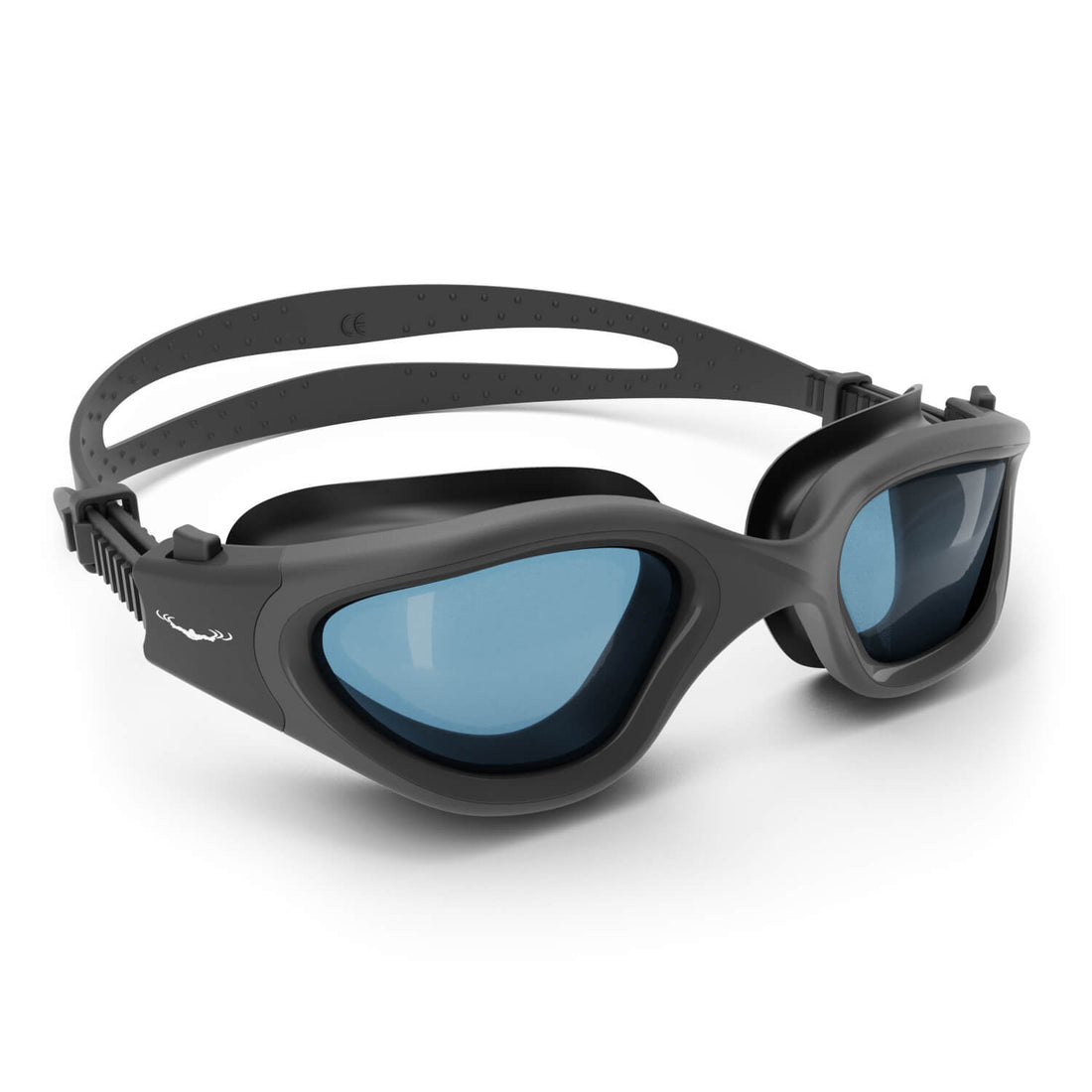
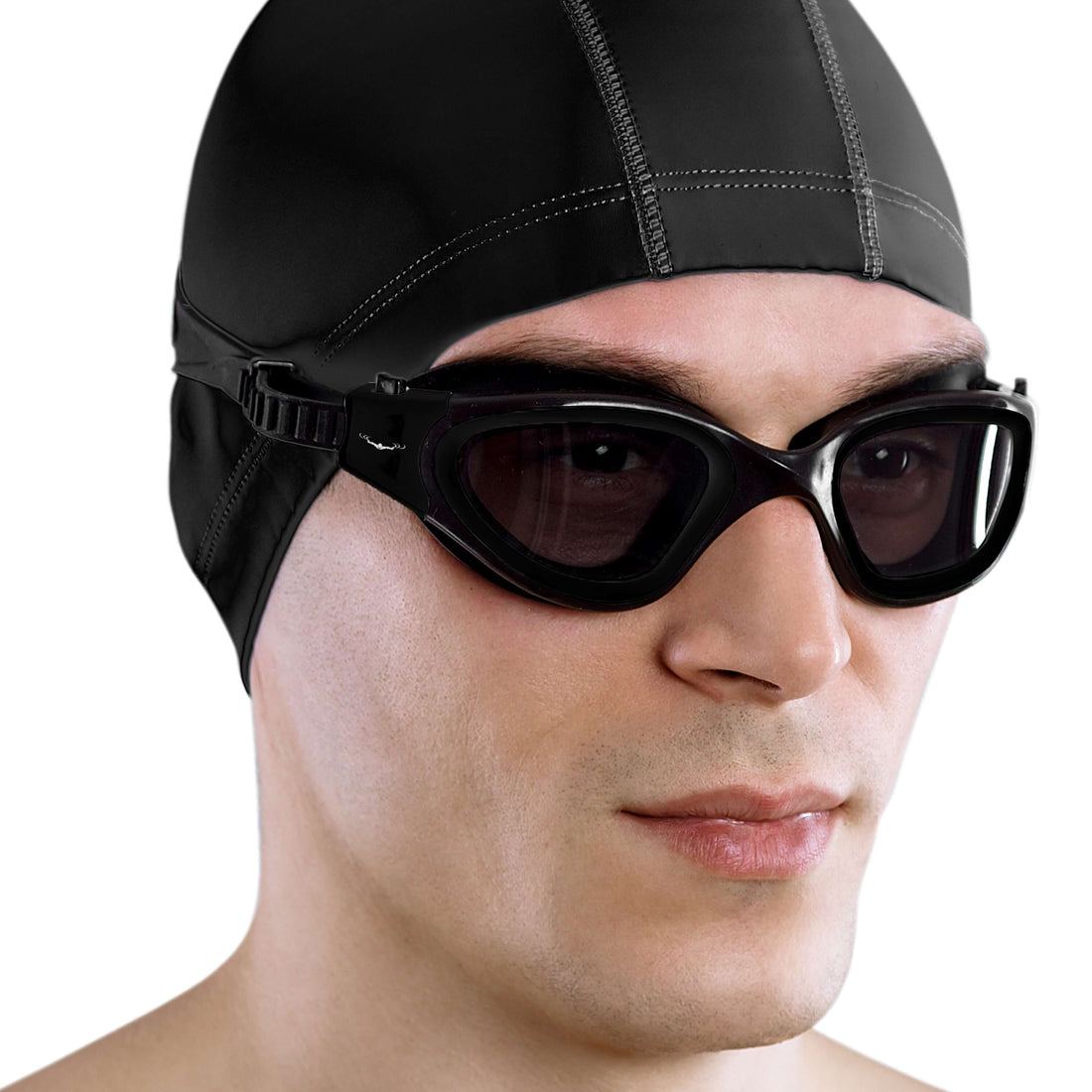
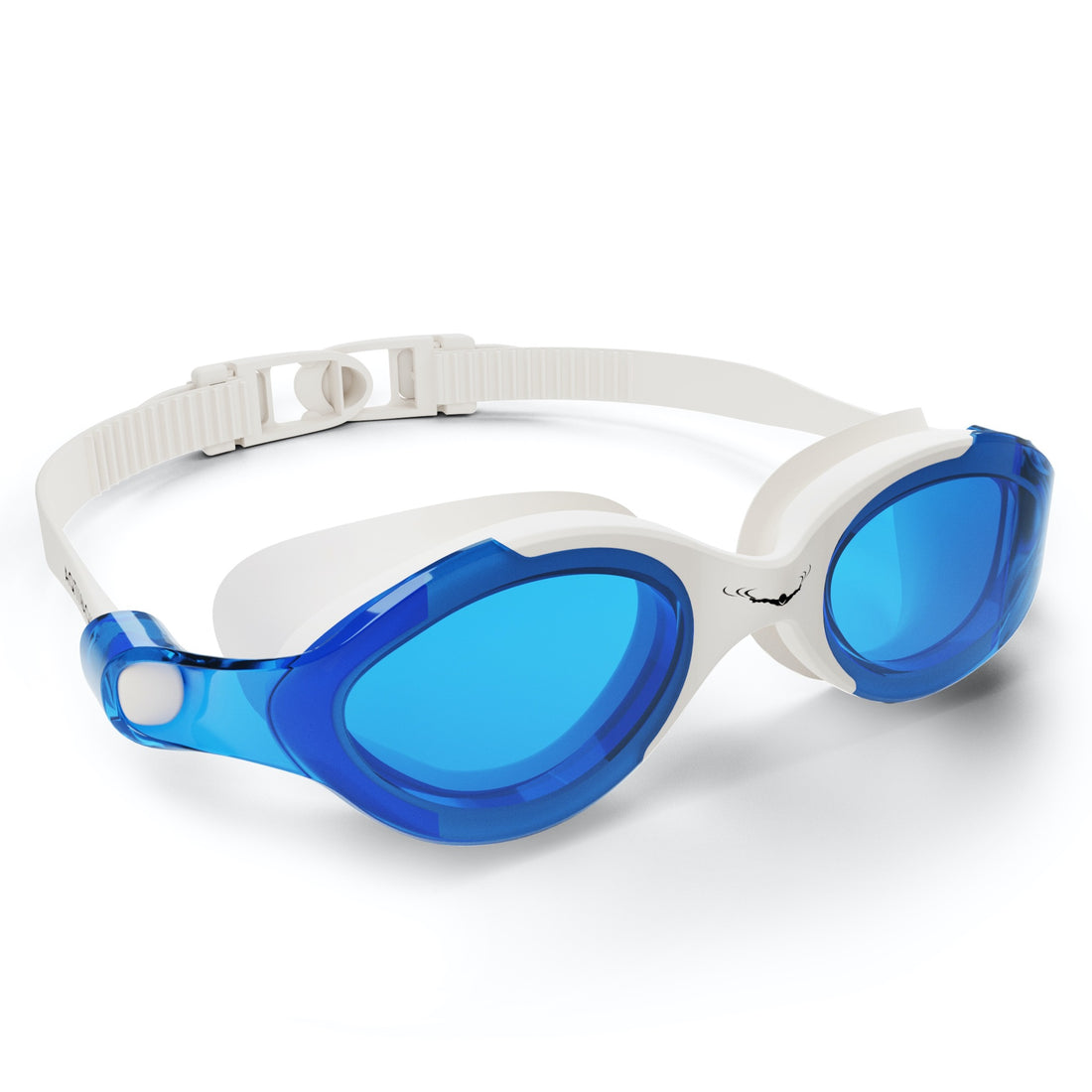
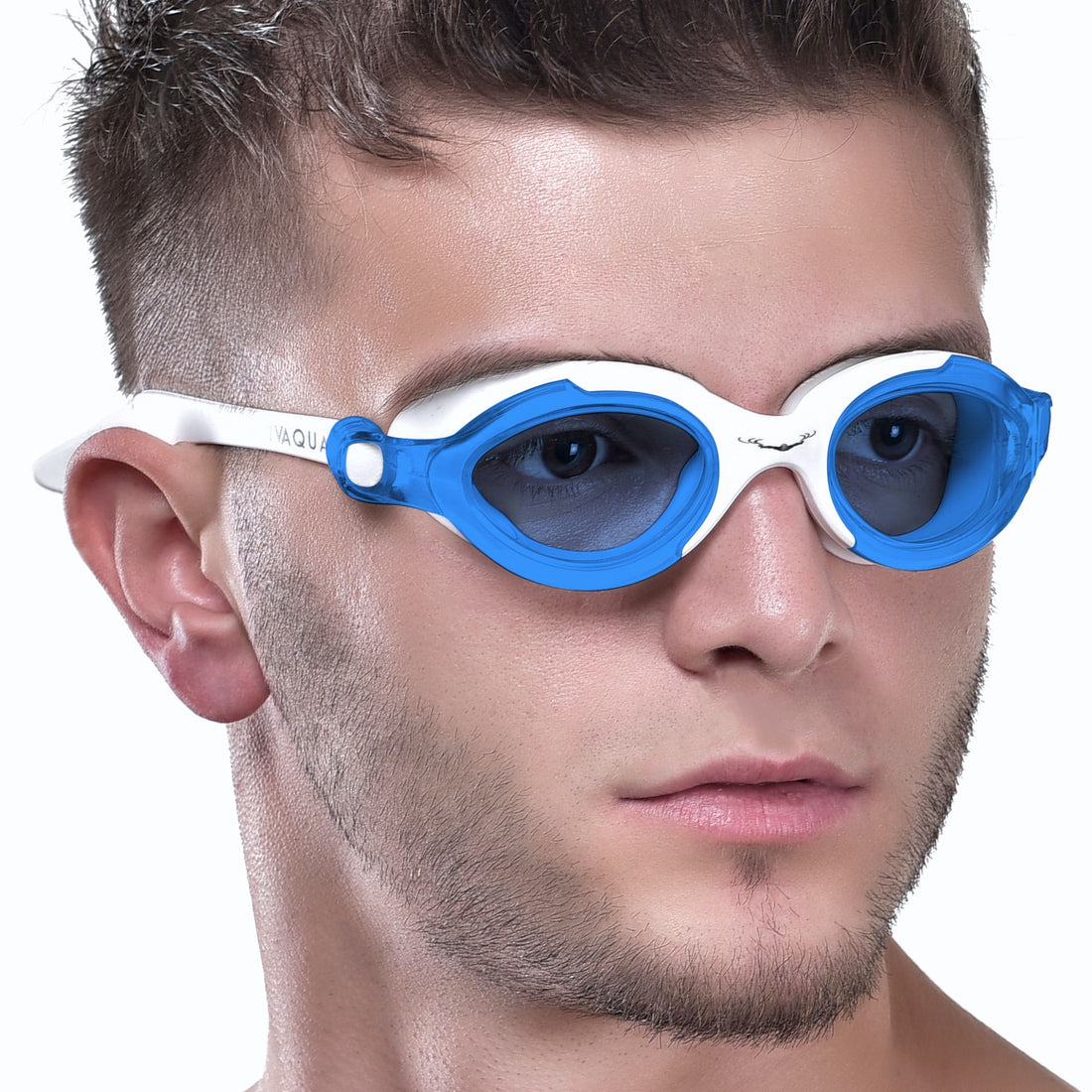
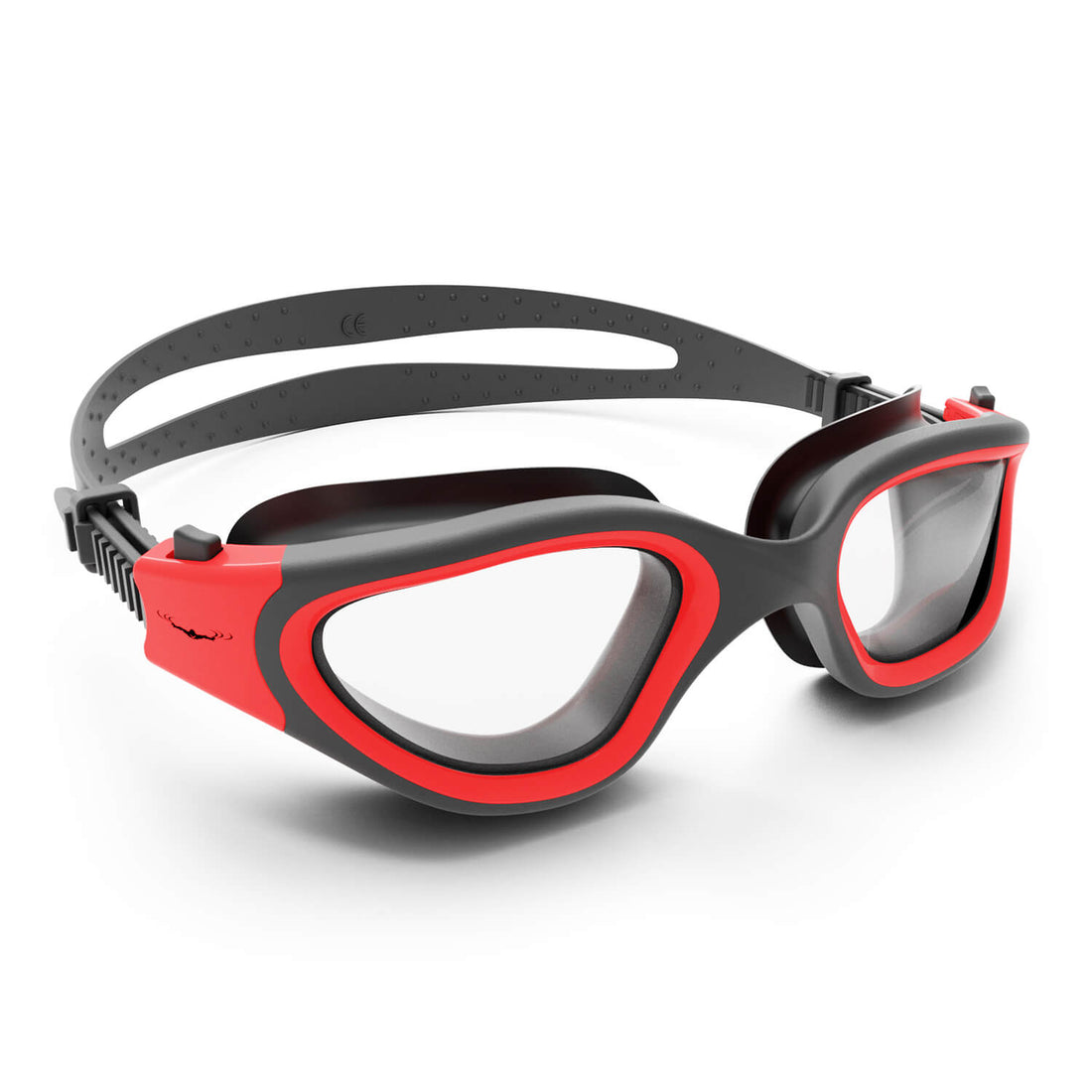
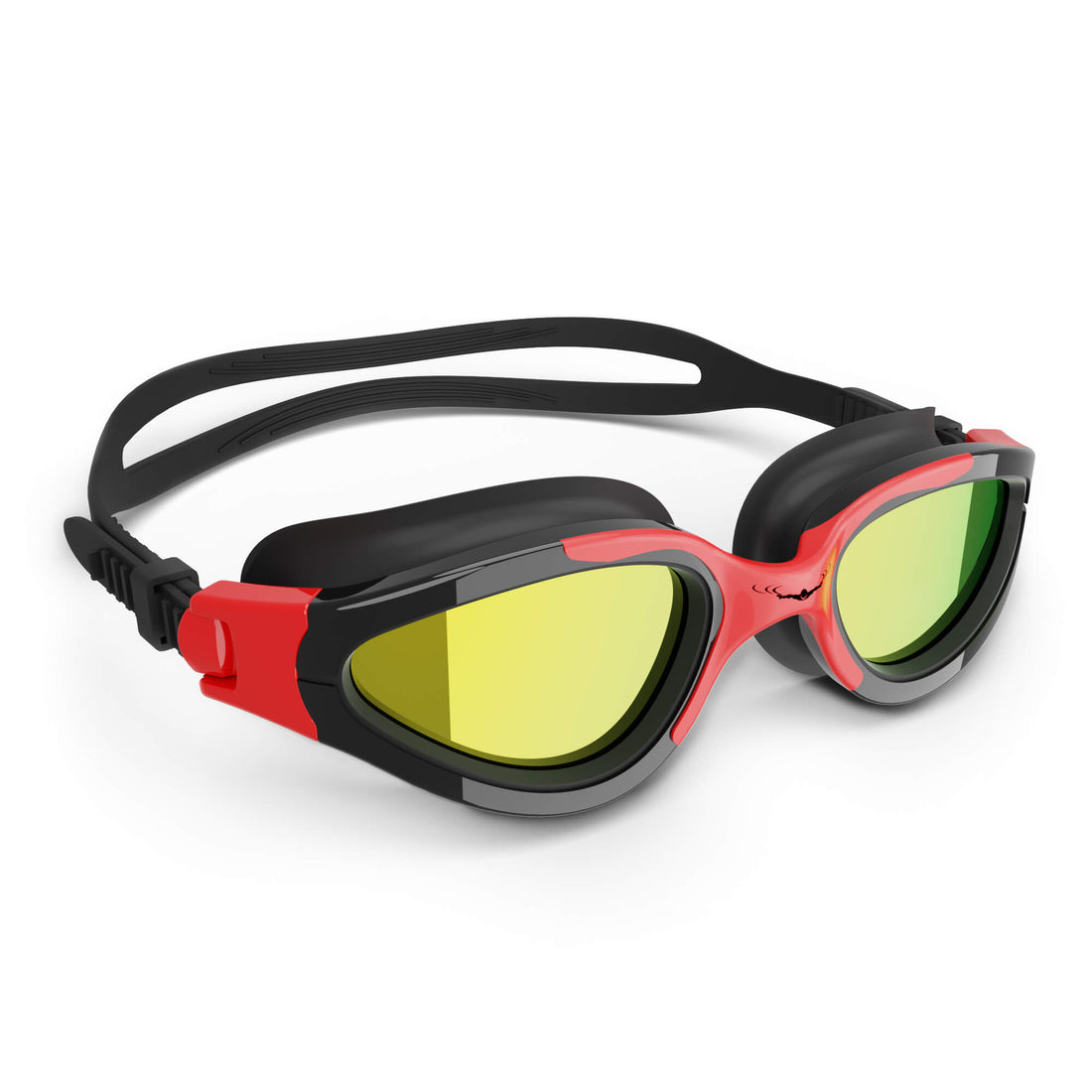
In summary, prioritizing warm-up and cool-down exercises is essential for every swimmer, whether you're using swimming goggles for your laps or a neoprene swimming headband for comfort. A well-crafted warm-up prepares your body for optimal performance while a cool-down promotes recovery, flexibility, and overall endurance. By incorporating these practices into your routine, you can enhance your swimming experience while minimizing injury risks. So, dive in, warm up, cool down, and unleash your swimming potential!
Frequently Asked Questions
1. What are the benefits of warm-up exercises before swimming?
2. What should a swimmer include in their warm-up routine?
3. Why are cool-down exercises important after swimming?
4. What components should be included in an effective cool-down routine?
5. Do recreational swimmers need warm-ups and cool-downs?
Glossary
| Term | Meaning |
|---|---|
| Warm-Up Exercises | Activities to prepare the body for swimming, increasing heart rate and flexibility. |
| Cool-Down Exercises | Post-swim activities that help the body transition to rest and reduce soreness. |
| Dynamic Stretching | Stretching that involves movement, enhancing flexibility before swimming. |
| Static Stretching | Holding stretches post-swim to maintain flexibility and reduce tightness. |
| Hydration | Replenishing fluids after swimming to aid recovery and prevent dehydration. |
| Aerobic Activities | Light exercises like jogging to elevate heart rate before swimming. |
| Swimming-Specific Drills | Practice strokes at low intensity to prepare muscles for main workout. |
| Lactic Acid | A byproduct of exercise that can cause muscle soreness if not cleared. |
| Neoprene Swimming Headband | A headband used to keep hair out of the way during swimming and stretching. |
| Injury Risk | The likelihood of muscle strains or tears, which can be reduced with proper routines. |
Linked Product

Neoprene Swimming Headband - Swim Ear Band Protection Cover - Hair Guard - Keep Ear Plugs IN
The Neoprene Swimming Headband is designed to keep earplugs securely in place, effectively blocking water from entering the ear canal, making it suitable for those with ear tubes or perforated eardrums. Its quick-dry neoprene material helps maintain warmth in cold water while keeping hair out of the face. With bright colors for improved visibility and a floating feature, this headband is available in three sizes to accommodate everyone from infants to adults.
View Product